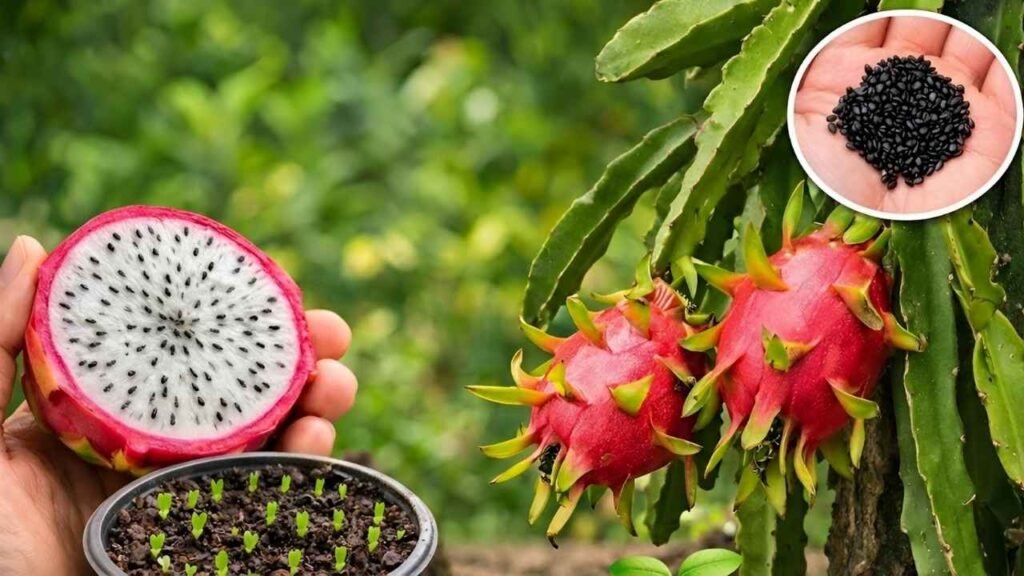
How to Grow Passion Fruit at Home: Passion fruit is one of those plants that gives more than what you expect. It grows fast, looks beautiful with its unique flowers, and rewards you with juicy, aromatic fruits packed with flavor and nutrition. Home gardeners love passion fruit because it does not demand expert-level gardening skills. With basic care, the vine keeps producing fruit year after year. Whether you grow it in your backyard, terrace, or even a large container, passion fruit can easily become one of the most productive plants in your home garden.
Why Passion Fruit Is Perfect for Home Gardens
Passion fruit is ideal for home gardening because it grows quickly and adapts well to different environments. The vine starts climbing within weeks and covers fences or trellises beautifully. It also offers dual benefits, acting as both a fruit plant and an ornamental climber. The fruit is rich in vitamins, antioxidants, and fiber, making it a healthy addition to daily diets. Once established, the plant continues fruiting for years with minimal maintenance.
Selecting the Right Passion Fruit Variety Matters
Choosing the correct variety plays a major role in successful fruiting. Purple passion fruit is well suited for slightly cooler climates and smaller gardens, while yellow passion fruit thrives in warmer and tropical regions. Purple varieties are sweeter, whereas yellow ones are slightly tangy and larger in size. Always select seeds or saplings from trusted nurseries to ensure disease-free growth and better yield.
Sunlight Requirements for Strong Vines
Passion fruit plants need plenty of sunlight to grow vigorously and produce flowers. A minimum of six to eight hours of direct sunlight every day is essential. Morning sunlight is especially beneficial as it keeps the leaves dry and reduces fungal problems. Insufficient light leads to weak vines and poor flowering. When grown indoors or on terraces, placing the plant near open sunlight ensures consistent growth.
Soil Preparation Sets the Foundation
Healthy soil directly impacts fruit quality and plant lifespan. Passion fruit prefers loose, fertile, and well-draining soil. A mixture of garden soil, compost, and sand provides ideal conditions. Slightly acidic to neutral soil supports better nutrient absorption. Heavy clay soil should be avoided as it holds excess water and increases the risk of root diseases. Adding organic matter regularly improves soil texture and fertility.
Growing Passion Fruit From Seeds
Growing passion fruit from seeds is simple but requires patience. Fresh seeds germinate faster than old ones. Soaking seeds in water for 24 hours helps soften the seed coat and speeds up germination. Seeds should be planted shallowly and kept moist but not soggy. Germination usually takes two to three weeks. Seed-grown plants may take longer to fruit but develop strong root systems.
Planting Saplings for Faster Results
Saplings are the best option for beginners who want quicker harvests. Nursery-grown plants are already strong and adapted to outdoor conditions. While planting saplings, ensure the roots are not bent or damaged. Space the plants adequately to allow airflow and vine expansion. Water immediately after planting to help roots settle into the soil. Saplings often start flowering within the first year.
Supporting the Vine for Maximum Growth
Passion fruit is a climbing plant and needs strong support to grow properly. Trellises, fences, pergolas, or balcony railings work well. Vertical growth improves air circulation and sunlight exposure. Weak or no support leads to tangled growth and reduced fruiting. Training the main vine early helps create a structured plant that produces more flowers and fruits over time.
Watering Balance Is the Key
Proper watering is crucial for healthy passion fruit plants. The soil should remain consistently moist but never waterlogged. During hot weather, plants require frequent watering, especially during flowering and fruit development. In cooler seasons, watering can be reduced. Overwatering causes root rot and fungal infections, while underwatering leads to flower drop and poor fruit formation.
Feeding the Plant for Better Yield
Regular feeding keeps the passion fruit vine productive and healthy. Organic compost, cow manure, or vermicompost applied every three to four weeks improves soil nutrients. During flowering and fruiting, potassium-rich fertilizers support better fruit size and sweetness. Excess nitrogen should be avoided as it encourages leaf growth instead of flowers. Balanced nutrition ensures continuous fruiting cycles.
Pruning Encourages New Growth
Pruning plays an important role in maintaining plant health and boosting fruit production. Removing dead, weak, or overcrowded branches allows sunlight to reach inner parts of the vine. Pruning after harvesting stimulates new shoots that bear flowers. Proper airflow also reduces pest and disease issues. Light and regular pruning is more effective than heavy cutting at once.
Flowering Stage Needs Extra Care
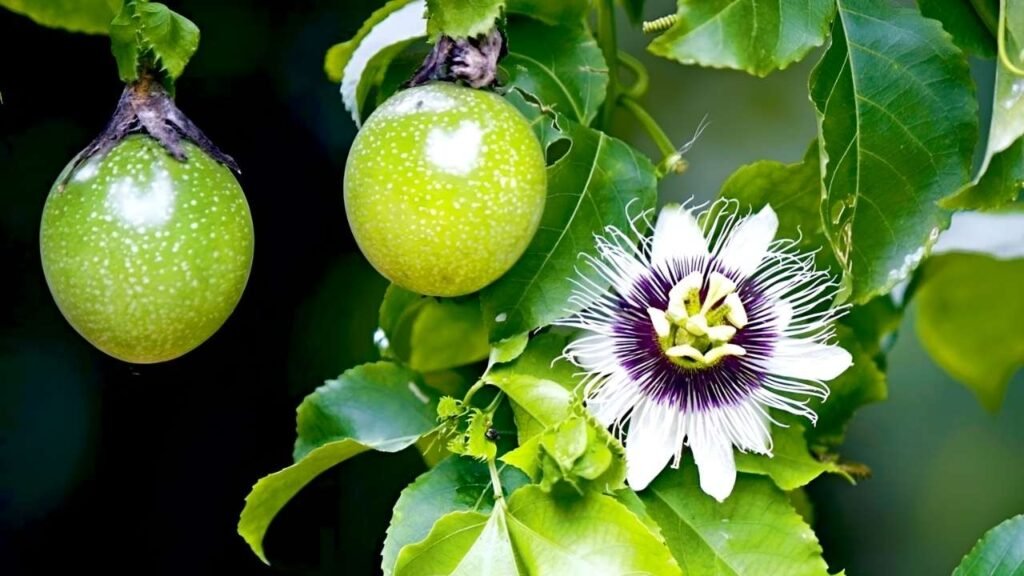
Passion fruit flowers are unique and delicate. Flowering usually starts in warm weather when the plant receives enough sunlight. Adequate watering and nutrition during this stage prevent flower drop. Bees and insects help with pollination, but hand pollination can be done if natural pollinators are limited. Healthy flowers are a strong indicator of good fruit yield.
Protecting the Plant From Pests
Common pests include aphids, caterpillars, spider mites, and fruit flies. Regular inspection helps catch infestations early. Neem oil spray works effectively as a natural pest control solution. Keeping the plant clean and free from weeds reduces pest breeding areas. Avoid excessive chemical sprays as they can harm pollinators and reduce fruit quality.
Preventing Common Plant Diseases
Passion fruit plants can suffer from fungal infections if grown in poorly drained soil. Root rot, leaf spots, and wilting are common problems. Proper drainage, airflow, and controlled watering prevent most diseases. Removing infected leaves immediately helps stop disease spread. Healthy soil and balanced nutrition strengthen the plant’s natural resistance.
Understanding Fruit Development Stages
After pollination, small green fruits start forming within a few weeks. These fruits gradually increase in size and change color as they mature. Consistent watering during this stage is important to avoid fruit cracking or dropping. Sudden changes in water supply can affect fruit quality. Mature fruits develop a strong aroma and rich color.
Harvesting at the Right Time
Passion fruits are best harvested when fully ripe. Ripe fruits naturally fall from the vine, which is a sign of peak sweetness. Fruits can also be picked when they change to deep purple or yellow. Avoid harvesting unripe fruits as they lack flavor. Freshly harvested passion fruit tastes better and has higher nutritional value.
Storing and Using Passion Fruit
Fresh passion fruit can be stored at room temperature for a few days or refrigerated for longer freshness. The pulp can be scooped out and used in juices, desserts, salads, and sauces. Passion fruit also freezes well, allowing long-term storage. Regular harvesting encourages the vine to produce more fruits throughout the season.
Growing Passion Fruit in Pots
Passion fruit can be successfully grown in large containers. The pot should be deep with proper drainage holes. Container-grown plants need more frequent watering and feeding than ground-planted ones. Strong support is essential even in pots. Terrace and balcony gardeners can enjoy good harvests with the right container size and care routine.
Seasonal Care Tips for Longevity
During winter or cooler months, growth slows down. Watering should be reduced, and heavy feeding avoided. Mulching helps maintain soil temperature and moisture. In extreme heat, shading during peak afternoon hours prevents leaf stress. Seasonal adjustments keep the plant healthy throughout the year.
Final Thoughts on Growing Passion Fruit at Home
Growing passion fruit at home is both enjoyable and rewarding. With proper sunlight, soil preparation, watering, and support, the vine grows vigorously and produces abundant fruit. The plant requires basic attention but offers long-term benefits. Homegrown passion fruit tastes fresher, healthier, and more satisfying than store-bought options. With patience and regular care, passion fruit can become a permanent and productive part of your home garden.