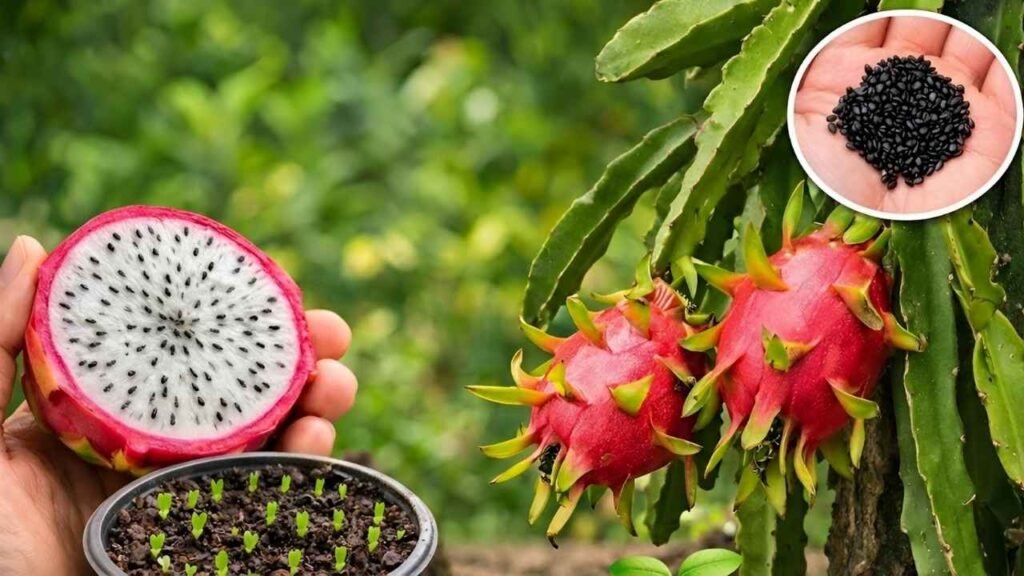
Dragon fruit, also called pitaya, is one of the most eye-catching fruits you’ll ever see. With its bright pink skin, green scales, and refreshing taste, it’s a tropical treasure that many people dream of growing. The good news? You don’t need a farm or fancy greenhouse to enjoy it. With the right care, you can grow dragon fruit at home in pots, gardens, or even on a sunny balcony. Let’s explore step by step how to make this exotic cactus thrive in your space.
Pick the healthiest starter plant
The journey begins with choosing a strong cutting or seedling. Cuttings are popular because they grow faster than seeds and are easier for beginners. Look for a stem that is green, firm, and free from spots or rot. A healthy start means fewer problems later. Nurseries often sell different varieties, so ask which one suits your climate best. Starting with the right plant is like laying a solid foundation for your dragon fruit adventure.
Give it the sun it craves
Dragon fruit is a sun-loving cactus. It thrives when exposed to six to eight hours of direct sunlight daily. A terrace, balcony, or backyard corner with plenty of light is perfect. Indoors, place it near a large window or use grow lights to mimic natural sunshine. Without enough light, the plant becomes weak and struggles to flower. Sunlight is the fuel that powers its growth and eventual fruiting.
Build the perfect soil mix
Soil is the lifeline of your plant. Dragon fruit prefers sandy, well-draining soil enriched with organic compost. A mix of garden soil, sand, and coco peat or perlite works beautifully. Drainage is crucial because excess water can cause root rot. Adding compost improves fertility and helps the plant establish strong roots. Think of the soil as the bed where your cactus rests—it should be airy, rich, and supportive.
Train the cactus to climb
Dragon fruit is not a typical fruit tree—it’s a climbing cactus. It needs support to grow upward and stay healthy. Use a wooden post, trellis, or wall to guide its stems. As the plant matures, its branches become heavy, and without support, they may break or sprawl messily. Training it early ensures neat growth and better fruit production. A well-supported plant is more productive and easier to manage.
Water wisely for healthy roots
Unlike other fruit plants, dragon fruit doesn’t like soggy soil. Water moderately, allowing the soil to dry slightly between sessions. In summer, watering once or twice a week is enough. During cooler months, reduce watering to prevent fungal issues. Always check the topsoil before watering—if it feels dry, it’s time. Balanced hydration keeps the cactus happy and prevents diseases. Overwatering is the most common mistake beginners make, so stay cautious.
Feed with natural boosters
Fertilizers play a big role in dragon fruit success. Use organic options like compost tea, cow manure, or fish emulsion to enrich the soil. During the growing season, monthly feeding helps the plant produce strong stems and vibrant flowers. Fertilizers rich in phosphorus and potassium encourage blooming and fruiting. A well-fed plant rewards you with bigger, sweeter fruits. Think of feeding as giving your cactus the energy it needs to shine.
Watch for magical night blooms
One of the most enchanting moments in dragon fruit care is seeing its flowers bloom. Large, white, fragrant flowers open at night and last only until morning. These blooms are not just beautiful—they’re the gateway to fruit. Pollination is essential. Outdoors, moths and bats often help. Indoors, you may need to hand-pollinate using a small brush. Once pollinated, the flowers transform into fruits within weeks, making this stage truly magical.
Protect from pests and diseases
Even though dragon fruit is hardy, it can face challenges. Common pests include ants, aphids, and mealybugs. Regularly check the stems and soil for signs of infestation. Neem oil spray or organic insecticides work well to control pests. Fungal infections from overwatering are another risk. Good drainage and proper spacing prevent most problems. A little vigilance goes a long way in keeping your plant healthy and productive.
Harvest at the perfect time
The most rewarding moment is harvest. Dragon fruit is ready when its skin turns bright pink and slightly soft to touch. Use a sharp knife or scissors to cut it cleanly from the stem. Avoid pulling, as it can damage the plant. Freshly harvested dragon fruit tastes far better than store-bought ones, with a refreshing sweetness and crunchy seeds. The joy of picking your own fruit is unmatched—it’s the ultimate payoff for your care.
Grow in pots for small spaces
Not everyone has a garden, but that doesn’t mean you can’t grow dragon fruit. Large pots or containers work perfectly. Choose a pot at least 15–20 inches deep with drainage holes. Use the same soil mix and provide a support pole inside the pot. Container-grown plants need a little extra attention with watering and feeding, but they thrive beautifully. Dragon fruit in pots is ideal for balconies and urban homes.
Multiply with easy propagation
Once your plant is thriving, you can grow more dragon fruit easily. Cut a healthy stem about 12–18 inches long, let it dry for a day, and then plant it in soil. Within weeks, roots develop, and a new plant begins to grow. Propagation is a simple way to expand your collection or share plants with friends. It’s cost-effective and fun, making dragon fruit gardening even more rewarding.
Enjoy the health benefits
Dragon fruit isn’t just pretty—it’s packed with nutrition. Rich in antioxidants, vitamin C, and fiber, it supports digestion, boosts immunity, and promotes glowing skin. The seeds contain healthy fats that benefit the heart. Eating your homegrown dragon fruit means enjoying fresh, chemical-free produce straight from your garden. It’s a fruit that nourishes both body and soul, making the effort of growing it even more worthwhile.
Conclusion
Growing dragon fruit at home is a journey filled with color, flavor, and satisfaction. From choosing the right plant to harvesting your first fruit, every step brings joy. With sunlight, good soil, proper care, and patience, anyone can succeed in cultivating this exotic cactus. It’s more than gardening—it’s about creating a tropical experience in your own space. Start today, and let your home garden surprise you with the beauty and taste of dragon fruit.
For Help:
Chek New Post: