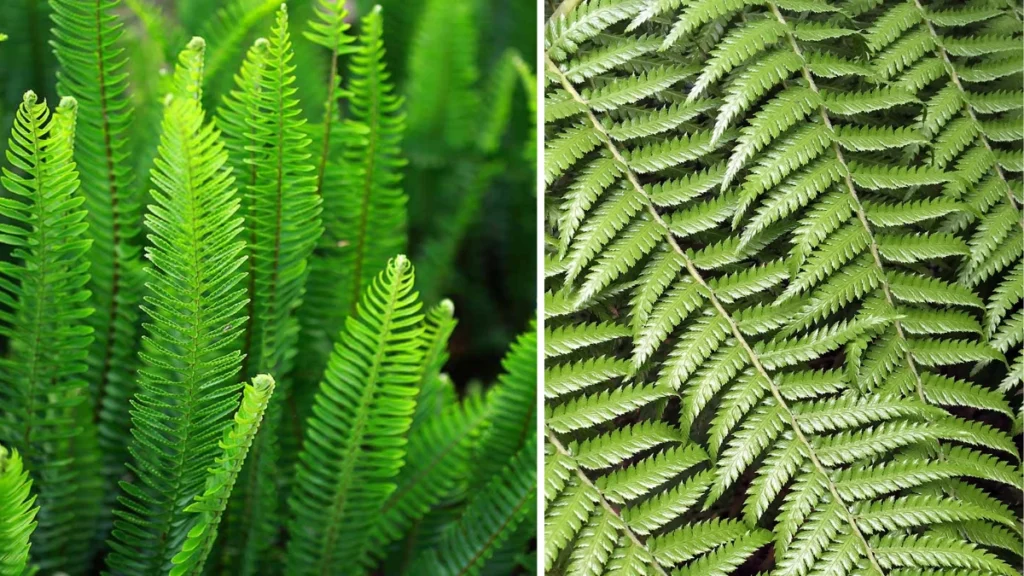
2026 Stepwise Fern Growing: Ferns are some of the most captivating plants to grow indoors, offering vibrant greenery and a sense of tranquility to any living space. Unlike seeds, ferns propagate through spores, making their cultivation a rewarding experience for plant enthusiasts. With the right conditions, patience, and care, indoor ferns can transform dull corners into lush, calming green areas. Following a structured approach from spore sowing to full-grown plants allows you to enjoy the full beauty of these timeless plants all year round.
Pick Ferns That Thrive Indoors
Choosing the right fern species is crucial for indoor success. Boston ferns, Maidenhair ferns, and Bird’s Nest ferns are ideal for homes because they adapt well to moderate light and indoor humidity. Compact varieties fit perfectly on shelves or desks, while larger ferns serve as a centerpiece in living areas. Consider your home’s temperature, light exposure, and space before selecting your fern. A proper choice ensures faster growth, stronger fronds, and a healthier plant that can last for years with minimal stress.
Create the Perfect Spore Medium
Ferns require a unique growth medium to sprout from spores. A mixture of peat moss, fine sand, and rich compost works best. The soil must be light, well-draining, and slightly acidic to allow spores to germinate successfully. Sterilizing the medium prevents mold and fungal growth, which is common during the delicate early stages. A healthy base gives your ferns a strong start, encouraging vibrant fronds and steady growth that will turn your indoor space into a green paradise.
Spread Spores Evenly on Surface
Sowing fern spores is an art in itself. Sprinkle the tiny spores evenly on the soil surface without burying them, as they need light for germination. Use a gentle mist to keep the surface moist and cover the container with clear plastic to retain humidity. Check the moisture daily, ensuring the spores do not dry out. Even distribution and careful attention to moisture levels help create a healthy spore layer, which later develops into robust fern growth.
Maintain Constant Humidity Indoors
High humidity is essential for ferns to thrive. Indoor air is often dry, especially in winter, which can hinder growth. Place a water tray nearby or use a spray bottle to mist leaves daily. Covering the fern container with glass or plastic maintains a mini-greenhouse environment that replicates natural conditions. Adequate humidity encourages strong frond development and prevents browning or leaf curling, helping your ferns grow healthy, vibrant, and lush over time.
Provide Bright, Filtered Light
Ferns need light but cannot tolerate harsh direct sunlight. Position them near a north or east-facing window where they receive gentle, filtered sunlight. Artificial grow lights can supplement natural light in darker spaces, ensuring steady growth. Bright, indirect light keeps fronds deep green and strong while preventing scorching. Consistent exposure to ideal light conditions encourages faster development and enhances the natural beauty of your indoor fern display.
Water Ferns Carefully and Regularly
Watering ferns requires attention to balance. Keep the soil consistently moist without causing waterlogging, which can rot roots. Use room-temperature water and mist fronds to maintain surface humidity. Adjust watering frequency according to seasonal growth changes, reducing it slightly during cooler months. Proper hydration nourishes both the roots and foliage, promoting lush fronds and a healthy overall appearance. Careful watering ensures your fern thrives indoors and maintains its vibrant green color.
Fertilize Lightly for Growth
Ferns benefit from gentle fertilization, especially during active growing periods. Use a diluted liquid fertilizer once a month to boost nutrient availability without burning delicate fronds. Avoid over-fertilizing, as excess nutrients can damage roots and leaves. Fertilizer supports steady growth, producing fuller, healthier fronds that add to the visual appeal of your indoor oasis. Light fertilization combined with proper water, light, and humidity creates an optimal environment for thriving fern plants.
Prevent Pests and Fungal Issues
Indoor ferns can attract pests like spider mites, aphids, and mealybugs. Regularly inspect your plants for early signs of infestation and treat affected areas promptly with natural remedies like neem oil or insecticidal soap. Fungal infections can also occur in damp conditions, so ensure proper ventilation around the fern. Keeping the plant environment clean and monitoring moisture levels prevents disease, ensuring your fern remains healthy, lush, and visually stunning throughout its indoor life.
Transplant Ferns as They Grow
Ferns outgrow their containers over time, requiring transplantation to maintain health. Move your fern into a larger pot when roots start crowding or soil quality declines. Use nutrient-rich potting soil and water immediately after transplanting. Handle delicate fronds carefully to prevent damage. Transplanting allows continued growth, ensures proper root space, and keeps your indoor fern garden thriving. Timely repotting preserves the beauty of your fern while promoting long-term vitality and healthy frond development.
Create a Natural Indoor Display
Once your ferns are established, focus on their display. Group multiple ferns together to create a lush, miniature indoor forest. Use decorative pots that complement your interior style while ensuring proper drainage. Elevate smaller ferns on shelves or tables to enhance visual layers. Integrating ferns with other indoor plants adds texture, color contrast, and a calming ambiance. Thoughtful placement elevates your home’s interior while showcasing the natural beauty of your carefully cultivated fern collection.
Observe Growth Patterns Regularly
Monitoring your ferns regularly ensures they thrive indoors. Note changes in frond color, texture, and growth rate to detect early issues. Adjust watering, light, or humidity based on plant response. Prune old or yellowed fronds to encourage new growth and maintain aesthetics. Regular observation allows timely interventions, preventing pests or nutrient deficiencies from affecting your fern. Staying attentive fosters a thriving indoor garden that continuously grows healthy, vibrant fronds for years to come.
Enjoy the Therapeutic Benefits
Ferns are more than decorative plants; they contribute to mental well-being. Their green fronds purify air, reduce stress, and enhance focus. Caring for indoor ferns can be a calming daily ritual, providing a connection to nature within your home. Watching spores grow into lush fronds is deeply satisfying and rewarding. An indoor fern oasis not only improves aesthetics but also creates a peaceful, refreshing environment that rejuvenates your mind and enhances overall indoor comfort.
Final Thoughts on Indoor Fern Care
Growing ferns indoors from spores requires patience, attention, and a structured approach. Selecting the right species, preparing spore-friendly soil, maintaining humidity, and providing proper light and care all contribute to success. With consistent watering, fertilization, pest management, and timely transplantation, your indoor ferns can flourish year-round. The result is a serene green oasis that beautifies your home, purifies the air, and delivers a sense of calm. Investing time in fern cultivation rewards you with long-lasting greenery and indoor tranquility.