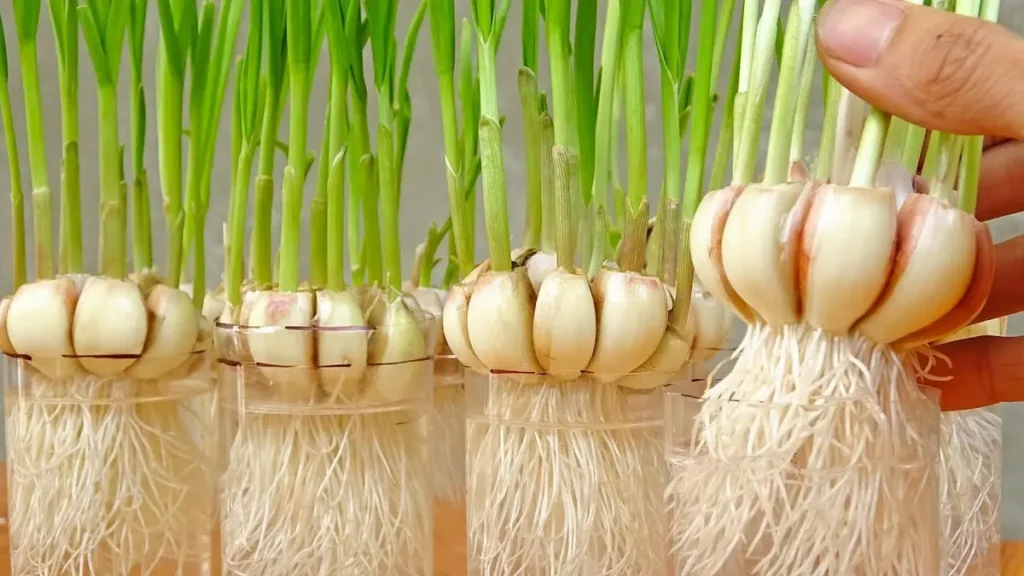
Grow Garlic from Cloves 2026: Garlic is one of the most rewarding crops to grow at home. It’s versatile in cooking, packed with health benefits, and surprisingly easy to cultivate from cloves. Unlike seeds, cloves give you a head start, ensuring each planted piece can develop into a full, flavorful bulb. With the right care, even a small balcony pot or backyard patch can produce abundant garlic. By understanding planting, watering, and storage techniques, you can maximize your yield in 2026.
Select Strong Cloves for Best Results
The foundation of a healthy garlic harvest starts with selecting the right cloves. Choose bulbs that are firm, plump, and free of blemishes. Each clove should have intact skin to protect it from disease. Larger cloves often produce larger bulbs, so pick the biggest and healthiest. Avoid any cloves showing signs of sprouting or mold. By starting with high-quality cloves, you guarantee stronger plants, faster growth, and a higher chance of a bountiful harvest.
Prepare Soil Like a Pro
Garlic thrives in soil that drains well and is rich in nutrients. Loosen the soil to at least 8 inches deep to allow roots to grow freely. Mix in organic compost or aged manure to provide the necessary nutrients. Garlic prefers slightly acidic to neutral soil with a pH around 6 to 7. Avoid heavy clay or soggy soil, as this can cause rot. Well-prepared soil ensures strong root systems, larger bulbs, and healthier plants.
Plant Cloves with Precision
Planting technique matters more than many gardeners realize. Separate bulbs into individual cloves, keeping the papery skin intact. Place cloves pointy side up, about two inches deep, and four to six inches apart. Proper spacing allows airflow, reduces disease risk, and gives bulbs room to grow. Cover lightly with soil and water gently. Correct planting ensures each clove has the space and nutrients to develop into a full, flavorful garlic bulb without wasting any potential.
Provide Consistent Moisture
Watering is essential, but overwatering is a common mistake. Garlic needs evenly moist soil, especially during the first few weeks after planting. Too much water can cause bulbs to rot, while too little stunts growth. As plants mature, gradually reduce watering to allow the bulbs to dry and harden. Monitoring moisture ensures robust bulbs and prevents waste. Using a simple drip system or watering in the morning can help maintain ideal soil conditions for optimal growth.
Mulching Enhances Garlic Growth
Applying mulch around garlic plants improves yield significantly. Organic materials like straw, leaves, or grass clippings help retain soil moisture, regulate temperature, and suppress weeds. Mulch also prevents soil from drying too quickly and reduces the stress on growing plants. Garlic planted with mulch often develops larger, healthier bulbs because the roots focus on growth rather than coping with harsh soil conditions. Mulching is a simple, highly effective way to maximize every clove’s potential.
Protect Garlic from Pests
Garlic is relatively hardy, but pests and diseases can still affect it. Keep an eye out for onion thrips, aphids, or fungal infections like white rot. Remove affected leaves promptly and avoid overcrowding plants, which can increase disease risk. Organic pest control, such as neem oil or insecticidal soap, can keep garlic safe without harmful chemicals. Proactive monitoring ensures your cloves grow into strong, healthy bulbs while minimizing any losses due to pests.
Fertilize for Maximum Bulb Size
Feeding garlic at the right time boosts growth and bulb size. Nitrogen-rich fertilizers work best during early growth stages, while phosphorus and potassium support bulb development. Apply fertilizer sparingly to avoid burning roots. Organic options like compost tea or fish emulsion are excellent choices for home gardeners. Proper fertilization enhances flavor, ensures plump bulbs, and guarantees that every clove you planted reaches its full potential.
Monitor Sunlight Exposure
Garlic loves sunlight. Ensure your garlic patch receives at least six hours of direct sunlight daily. If you’re growing garlic in containers, rotate pots to provide even exposure. Adequate sunlight strengthens plants, promotes photosynthesis, and encourages larger bulbs. Insufficient light may lead to weak stems and smaller cloves. Paying attention to sunlight requirements ensures your garlic thrives and that every clove produces a healthy, full-sized bulb.
Harvest at Peak Ripeness
Timing your harvest is critical. Watch for yellowing leaves and slightly drying stems – signs that garlic is ready. Carefully dig up bulbs, avoiding cuts or bruises. Brush off excess soil but avoid washing, which can introduce moisture and cause rot. Harvesting at the right moment guarantees maximum flavor, size, and storage life. Each clove you planted can now be used in cooking, shared, or saved for the next planting season, ensuring no bulb goes to waste.
Cure Garlic for Long-Term Storage
Curing garlic is essential for preserving quality. Hang bulbs in a dry, well-ventilated space for two to three weeks. Once cured, trim the roots and stems, and store bulbs in mesh bags or baskets. Avoid refrigeration, which encourages premature sprouting. Properly cured garlic can last for months while retaining its flavor and potency. Curing allows you to enjoy your harvest long after it has been picked, making the most of every clove you planted.
Try Different Garlic Varieties
Experimenting with garlic varieties adds excitement to home gardening. Softneck garlic is ideal for warmer climates and long storage, while hardneck garlic produces larger cloves with more intense flavor, suitable for colder regions. Planting multiple varieties helps you discover which performs best in your environment. Diversity in garlic types also enhances your culinary options and ensures that no clove goes unused. By experimenting, you can maximize both yield and taste.
Use Companion Planting Strategies
Garlic benefits from growing alongside certain vegetables. Onions, lettuce, and carrots thrive near garlic and can improve soil health. Avoid planting near beans or peas, which may compete for nutrients. Companion planting increases overall garden productivity and encourages stronger garlic bulbs. Strategic pairing helps your cloves grow healthier and larger, making the most of every planted bulb while enhancing the entire garden ecosystem.
Rotate Crops for Better Yields
Crop rotation prevents soil depletion and reduces the risk of disease. Avoid planting garlic in the same spot consecutively. Rotate with crops like tomatoes, spinach, or peppers to maintain soil fertility. This practice improves root growth, enhances flavor, and ensures stronger bulbs. Rotating crops also minimizes pest buildup in the soil, making every garlic planting season more successful. Proper planning ensures maximum yield for years to come.
Maintain Clean Gardening Practices
Keeping your garden tools and area clean reduces the risk of disease. Disinfect knives, trowels, and containers before use. Remove fallen leaves and debris from your garlic patch to prevent pests from thriving. A clean environment allows plants to grow unhindered and ensures that every clove reaches its full potential. Attention to hygiene is a simple yet critical step for consistent garlic production.
Maximize Balcony and Indoor Space
Even urban gardeners can grow garlic successfully. Use pots, raised beds, or container gardens to cultivate cloves. Ensure proper drainage and sunlight, and follow all planting and care guidelines. Container gardening allows you to grow garlic in small spaces without sacrificing yield. Smart use of space ensures you can enjoy fresh garlic even without a traditional backyard garden.
Track Growth for Future Planning
Keep a gardening journal to track planting dates, watering schedules, and harvest outcomes. Note which varieties performed best, which pests appeared, and which techniques yielded the largest bulbs. This information allows you to refine your strategy for future seasons, ensuring that no clove is wasted and that every garlic crop improves over time. Careful tracking leads to smarter, more productive gardening.
Conclusion
Growing garlic from cloves in 2026 is rewarding and straightforward when you follow the right steps. Selecting healthy cloves, preparing soil, planting carefully, watering appropriately, and using mulch, fertilizers, and pest control techniques all contribute to maximum yield. Harvesting, curing, and storing garlic properly ensures every clove is utilized. With these tips, even beginner gardeners can produce strong, flavorful bulbs and enjoy fresh, homegrown garlic all year long.