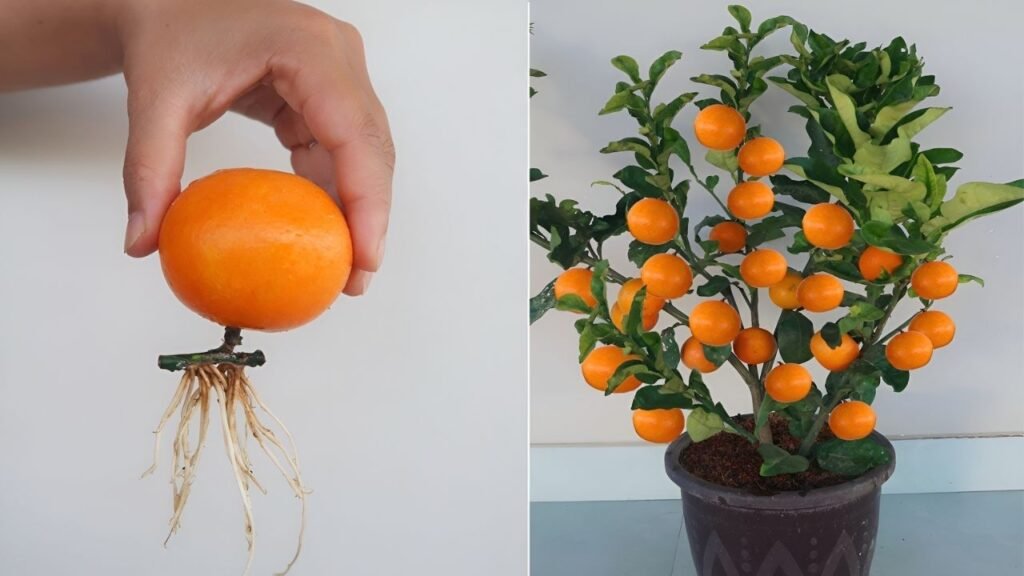
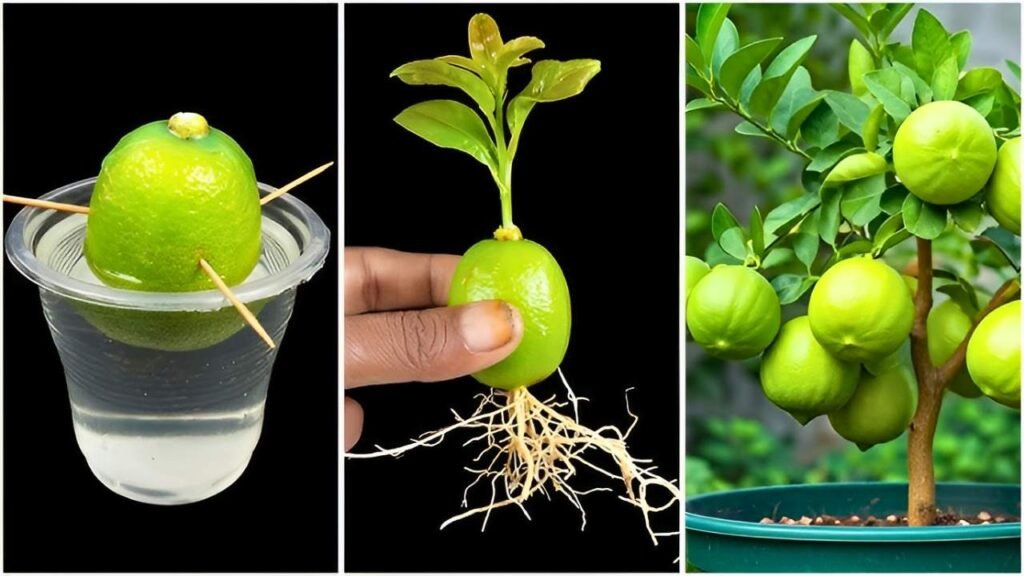
Grapefruit Tree Care Guide 2026: Grapefruit trees are a treasure in any garden, offering vibrant green foliage and tangy, juicy fruits that elevate your culinary creations. These citrus trees are both visually appealing and practically rewarding, giving gardeners the satisfaction of homegrown produce. Proper care is essential, as grapefruit trees require attention to sunlight, soil, water, and nutrients to thrive. With the right guidance, anyone can nurture a healthy, productive tree and enjoy an abundant citrus harvest throughout the year.
Sunlight Powers Growth and Flavor
Grapefruit trees thrive in full sun, requiring at least eight hours of direct sunlight daily. Sunlight not only promotes strong growth but also enhances the natural sweetness of the fruits. Without sufficient light, trees may develop sparse foliage, small fruits, and reduced flavor. Positioning your tree in a bright, open area ensures that leaves photosynthesize efficiently and flowers bloom profusely, ultimately boosting fruit yield and quality.
Soil Determines Tree Health
Healthy grapefruit trees begin with nutrient-rich, well-draining soil. Loamy soil with slightly acidic pH between 6 and 6.5 is ideal. Avoid clay-heavy or waterlogged soil, as roots can suffocate and rot. Amending the soil with compost or aged manure improves structure and fertility, supporting robust root development. A strong root system allows trees to absorb nutrients efficiently, creating healthier foliage, stronger branches, and more flavorful fruits year after year.
Planting Technique Matters
Proper planting ensures long-term success. Dig a hole at least twice the diameter of the root ball and slightly deeper than the root depth. Gently loosen roots and place the tree so the top of the root ball sits slightly above ground. Backfill with a mixture of native soil and compost, firming it lightly to remove air pockets. Water immediately after planting to encourage root-soil contact. Correct planting reduces transplant shock and sets the stage for vigorous growth.
Watering Needs Precision
Watering is a delicate balance for grapefruit trees. Young trees require frequent watering, ideally every 2–3 days, while mature trees need deep soaking once or twice per week. Avoid overwatering, as soggy roots invite fungal diseases. Mulching around the base helps retain soil moisture, suppresses weeds, and regulates temperature. Consistent watering encourages strong root systems, healthier leaves, and juicier fruits, while irregular watering can stress the tree and diminish fruit quality.
Fertilize for Maximum Yield
Nutrient-rich soil alone may not suffice for peak fruit production. Citrus-specific fertilizers provide essential nitrogen, phosphorus, and potassium. Apply a balanced fertilizer every six to eight weeks during the active growing season, reducing frequency during winter. Organic options, such as compost, worm castings, or well-rotted manure, enhance soil health while supplying natural nutrients. A properly nourished tree produces abundant flowers and fruits while maintaining vibrant, dark green leaves.
Pruning Enhances Shape and Productivity
Regular pruning keeps grapefruit trees manageable and productive. Remove dead, diseased, or crossing branches to improve airflow and light penetration. Light shaping encourages lateral growth, resulting in stronger branches that bear more fruit. Avoid heavy pruning, which can stress the tree and reduce yields. Strategic pruning ensures sunlight reaches interior branches, improving flower and fruit development while maintaining a visually appealing canopy.
Pest Management Protects Your Harvest
Grapefruit trees are susceptible to pests such as aphids, whiteflies, and citrus leaf miners. Early detection is key: inspect leaves and stems weekly. Natural remedies like neem oil, insecticidal soap, and horticultural oils work effectively without harming beneficial insects. Introducing ladybugs or lacewings can naturally control pest populations. Keeping trees healthy through watering, fertilizing, and pruning also reduces vulnerability. Effective pest management ensures strong growth, disease-free leaves, and abundant, high-quality fruits.
Disease Prevention Ensures Longevity
Fungal and bacterial diseases can affect grapefruit trees. Root rot, sooty mold, and citrus canker are common threats. Prevent problems by planting in well-drained soil, pruning for airflow, and avoiding overhead watering. Remove affected leaves or branches immediately and disinfect pruning tools to prevent spread. Healthy trees with strong immune systems, supported by proper care, are more resistant to diseases and deliver consistent fruiting seasons.
Mulch Protects Roots and Soil
Mulching is a simple yet vital step for grapefruit tree care. Apply a 3–4 inch layer of organic mulch around the base, keeping it a few inches away from the trunk to prevent rot. Mulch helps conserve moisture, reduces weed competition, and moderates soil temperature. Over time, decomposing mulch adds nutrients to the soil, supporting root growth and tree vigor. A mulched tree is stronger, healthier, and better equipped to withstand environmental stress.
Seasonal Care Boosts Productivity
Caring for grapefruit trees varies throughout the year. In winter, protect sensitive trees from frost with blankets or by moving potted trees indoors. During hot summers, monitor soil moisture and provide shade if necessary. Seasonal pruning, fertilization, and pest control enhance growth and fruiting. Tailoring care to seasonal needs ensures trees remain vigorous, resilient, and productive year-round, allowing for continuous harvests and beautiful garden appeal.
Pollination Enhances Fruit Set
Grapefruit trees rely primarily on pollinators for fruit production. Bees, butterflies, and other insects help transfer pollen from flowers to fruit, increasing fruit set. Planting pollinator-friendly flowers nearby encourages these beneficial insects. For isolated trees, hand pollination can improve yields. Successful pollination results in more flowers developing into fruits, maximizing the tree’s productivity and ensuring a plentiful harvest for your kitchen.
Harvesting for Perfect Flavor
Timing the harvest correctly guarantees sweet, juicy grapefruits. Fruits are ready when fully colored, firm but slightly soft to touch, typically in late fall to early winter. Twist or cut fruit gently to avoid damaging branches. Harvesting regularly encourages new flowering and reduces stress on the tree. Ripe grapefruits offer peak flavor, ideal for fresh juice, salads, or desserts. Proper harvesting ensures ongoing productivity and the satisfaction of enjoying homegrown citrus at its best.
Companion Planting Benefits Trees
Strategic companion planting can enhance grapefruit tree health. Herbs like basil, mint, or marigolds repel pests naturally, while legumes enrich soil with nitrogen. Avoid planting large trees nearby, which may compete for sunlight and water. Companion plants promote biodiversity, improve soil fertility, and reduce pest pressure, supporting the overall vitality of your grapefruit tree. Thoughtful planting companions lead to healthier trees and a more productive, eco-friendly garden environment.
Enjoying Fruits and Leaves
Grapefruit trees offer more than just fruit. Leaves can be used for flavoring teas, oils, or cooking infusions, adding aromatic value to your kitchen. Fruits provide vitamin C, antioxidants, and a refreshing taste. Growing your own tree ensures chemical-free produce and the satisfaction of homegrown quality. Sharing fresh grapefruits with family and friends enhances culinary experiences and creates a garden that is both beautiful and rewarding.
Long-Term Tree Care
A grapefruit tree is a long-term commitment that can thrive for decades. Regular care, attention to watering, nutrition, pruning, pest control, and seasonal maintenance ensures longevity. Observing the tree closely allows early intervention if problems arise. Over time, a well-cared-for tree becomes a resilient, high-yielding asset to your garden, providing beauty, fragrance, and delicious fruits for many years.
Final Word: Grapefruit Tree Care Guide 2026
Growing a grapefruit tree requires patience, care, and attention, but the rewards are immense. From selecting the right location to watering, fertilizing, pruning, and harvesting, every step contributes to a healthy, productive tree. By following these expert tips, gardeners can enjoy sweet, juicy grapefruits while enhancing their outdoor space. With consistent care and love, your grapefruit tree will thrive, delivering years of fresh citrus and garden satisfaction.