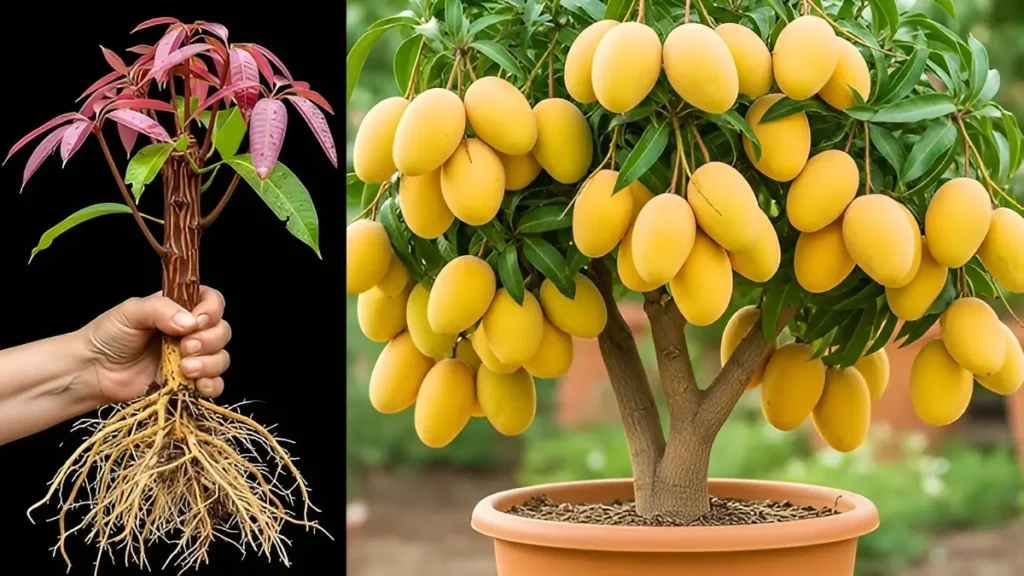
Mango Tree in a Pot Made Easy: Growing a mango tree in a pot is no longer just a gardening experiment. Across cities and small homes, people are successfully turning balconies, terraces, and patios into mini mango orchards. A potted mango tree not only adds greenery but also delivers the joy of homegrown fruit. With the right approach, even beginners can grow a healthy mango tree from seed and guide it patiently toward fruiting. This guide explains the entire process clearly, naturally, and practically.
Mango Growing Goes Urban Now
Mango trees are no longer limited to large farms or village backyards. Container gardening has made it possible to grow mangoes in compact urban spaces. Pots give better control over soil quality, water, and plant movement. This is especially helpful in areas with unpredictable weather. A potted mango tree also grows in a controlled size, making maintenance easier while still offering the satisfaction of growing a fruit tree at home.
Picking Seeds That Truly Work
The journey starts with choosing the right mango seed. Always select a fully ripe, healthy mango, preferably from a local or desi variety. These seeds adapt better to local climate conditions. After eating the fruit, clean the seed thoroughly and gently crack open the hard shell to remove the inner kernel. A fresh seed increases germination success and gives the plant a strong start.
Sprouting The Seed Like A Pro
Proper germination makes a big difference in early growth. Wrap the mango kernel in a slightly damp paper towel and place it in a warm place away from direct sunlight. Check moisture daily to prevent drying. Within one to two weeks, a small sprout appears. This method speeds up germination and helps identify viable seeds before planting them in soil.
Pots That Support Strong Roots
Choosing the correct pot is crucial for mango trees. Start with a deep pot, at least 12 to 18 inches, because mango roots grow downward. Drainage holes are non-negotiable to avoid waterlogging. Clay pots allow better air circulation, while thick plastic pots retain moisture longer. As the tree grows, repotting into a larger container every few years ensures healthy root expansion.
Soil That Mango Trees Love
Mango trees thrive in soil that drains well yet holds enough nutrients. A balanced mix of garden soil, organic compost, and sand or coco peat works best. The soil should feel light and crumbly, not sticky. Good drainage prevents fungal problems and root rot. Adding compost improves fertility and supports steady growth without the need for heavy chemical fertilizers.
Sunlight Fuels Real Growth
Sunlight plays a vital role in mango plant health. Place the pot where it receives at least six to eight hours of direct sunlight daily. Insufficient sunlight leads to weak stems and delayed flowering. Terraces, balconies facing south or west, and open courtyards are ideal spots. Rotating the pot occasionally helps the plant grow evenly on all sides.
Watering Without Overdoing It
Watering mistakes are common with potted mango trees. The soil should be watered deeply but only when the top layer feels dry. Constantly wet soil suffocates roots and causes decay. During summer, watering frequency increases, while winter demands restraint. Always allow excess water to drain out freely. Consistent but moderate watering supports healthy root and leaf development.
Feeding The Plant Naturally
Nutrients are essential for long-term growth and fruiting. Organic compost, vermicompost, or well-rotted cow manure works best for potted mango trees. Feed the plant every 30 to 45 days during the growing season. Avoid excessive nitrogen, as it promotes leaf growth over flowers. Balanced nutrition strengthens the plant and prepares it for flowering in the future.
Pruning Shapes Future Harvests
Pruning keeps a potted mango tree compact and productive. Early pruning encourages side branches and prevents excessive height. Remove weak, damaged, or inward-growing branches to improve airflow and sunlight penetration. Light pruning once or twice a year is enough. A well-shaped tree focuses its energy on healthy growth and future fruit production rather than uncontrolled foliage.
Pests And Diseases To Watch
Potted mango trees face fewer pests than ground-planted ones, but problems can still arise. Aphids, mealybugs, and spider mites are common threats. Neem oil spray works as a natural and effective solution. Fungal diseases often result from excess moisture. Proper drainage, airflow, and avoiding overwatering significantly reduce disease risk and keep the plant stress-free.
Flowering Takes Patience
Mango trees grown from seed require time before flowering. In pots, flowering usually starts after five to seven years. Grafted plants flower earlier, but seed-grown trees are stronger and longer-lasting. Flowers typically appear in late winter or early spring. Consistent care, sunlight, and proper nutrition increase the chances of healthy blooms that later turn into fruit.
Fruit Development In Containers
Once flowers are pollinated, tiny mangoes begin to form. A potted tree may not support many fruits at once, so thinning is important. Allow only a few fruits to mature to avoid stressing the plant. This results in better fruit size and taste. Supporting branches with sticks prevents breakage under fruit weight during the growing season.
Weather Protection Matters
Potted mango trees benefit from mobility. During extreme cold, move the pot to a sheltered area or cover the plant. In heavy rains, shifting the pot prevents waterlogging. During intense summer heat, partial shade during peak hours reduces stress. This flexibility is one of the biggest advantages of growing mango trees in containers.
Harvesting Homegrown Mangoes
Harvesting mangoes grown at home is deeply rewarding. Fruits are usually ready in summer, depending on the variety and climate. Pick mangoes when they develop full size and slight color change. Allow them to ripen naturally off the tree. Homegrown mangoes often have better aroma and taste because they mature without chemical treatments.
Final Verdict On Growing Mango In Pots
Growing a mango tree in a pot is a long-term commitment, but the rewards go beyond fruit. The process teaches patience, care, and connection with nature. With the right pot, soil, sunlight, and maintenance, even small homes can enjoy mango cultivation. From seed to harvest, every stage adds value and satisfaction. A potted mango tree proves that space is no barrier to growing something truly special at home.