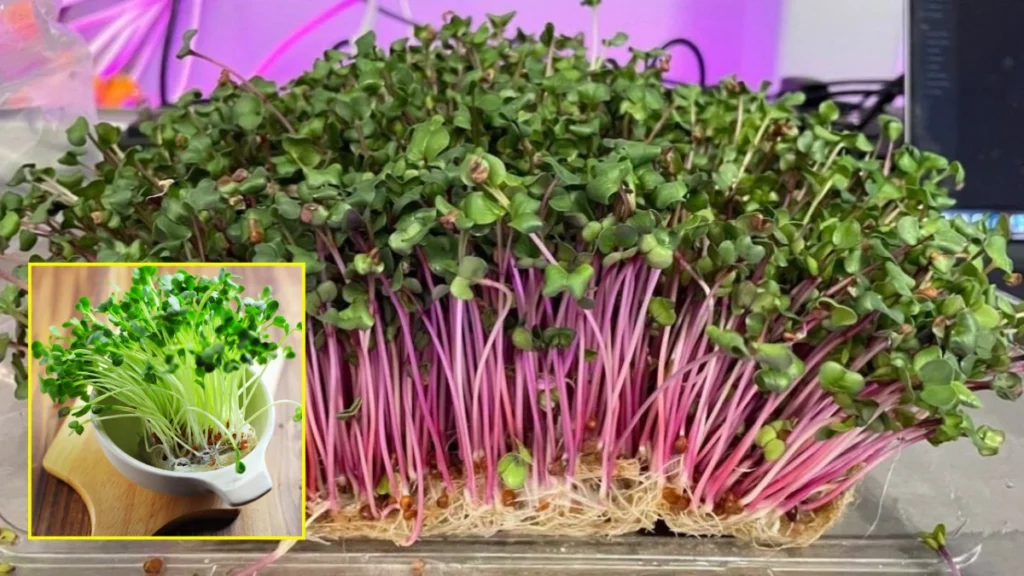
2026 Home Gardening: Home gardening has entered a new era with soil-free microgreens, making it possible for anyone to grow fresh, nutrient-packed greens indoors. Using coconut coir as a growing medium, you can enjoy vibrant microgreens without soil mess, complex fertilizers, or large spaces. This method is not only easy but also environmentally friendly and perfect for beginners. In just a few days, tiny sprouts packed with flavor and nutrients can be ready to elevate your meals and boost your health naturally.
Coconut Coir Makes Growing Easy
Coconut coir, derived from coconut husks, is a natural, lightweight, and highly absorbent medium perfect for microgreens. Unlike soil, it prevents mold growth and offers excellent aeration for roots. Simply soak the coir in water until soft and spread it in a shallow tray. The fibers retain moisture efficiently, giving seeds a supportive environment to sprout quickly. This soil-free approach is perfect for anyone seeking a clean, hassle-free, and productive indoor gardening experience.
Pick Seeds That Grow Fast
Microgreens grow quickly, but the type of seeds you choose affects both flavor and nutrition. Popular seeds like radish, mustard, broccoli, sunflower, and fenugreek sprout fast and are rich in vitamins. Combining different seeds in one tray adds color and variety to your salads or sandwiches. Ensure seeds are organic and high-quality for optimal growth. Avoid overcrowding as it limits airflow and may slow germination. With careful selection, your tray can yield a beautiful, healthy harvest.
Keep Watering Simple
Maintaining moisture in coconut coir is easy but requires attention. Microgreens thrive in a consistently damp environment. Use a spray bottle to mist the coir daily, ensuring it stays moist but not soggy. Overwatering can cause mold, while under-watering slows growth. Coir’s natural water retention helps regulate hydration, allowing roots to stay healthy. Regular, gentle watering results in strong, crisp leaves that are flavorful and nutrient-rich, ready to enhance salads, wraps, or smoothies.
Sunlight Boosts Nutrition
Microgreens need sufficient light to develop their rich colors and nutrients. Place trays near a sunny window or under an LED grow light for at least 4–6 hours daily. Adequate light enhances photosynthesis, increasing vitamin and antioxidant content. Natural sunlight works best, but grow lights are a perfect substitute for indoor spaces with limited exposure. Consistent light ensures faster growth, stronger stems, and vibrant leaves, giving your microgreens maximum flavor and visual appeal.
Easy Harvesting Tricks
Harvesting microgreens is simple and rewarding. Most varieties are ready within 7–14 days. Use clean scissors to snip the greens just above the coir surface. Avoid pulling roots to keep the coir intact for a second planting. Frequent harvesting encourages continuous growth and ensures fresh supply. Microgreens are ideal for garnishes, sandwiches, or as salad toppings. Their quick harvest cycle makes them an efficient, sustainable choice for busy households wanting a constant supply of home-grown greens.
Nutritional Powerhouse
Despite their small size, microgreens are loaded with nutrients. They often contain higher concentrations of vitamins, minerals, and antioxidants than mature vegetables. Radish microgreens provide a spicy kick, broccoli sprouts are rich in sulforaphane, and sunflower sprouts bring nutty flavor. Including them in meals enhances taste, boosts immunity, and supports overall health. Regular consumption can improve digestion, skin health, and energy levels, making microgreens a smart, everyday addition to any diet.
Minimal Space Required
Microgreens are perfect for urban living. A single tray on a kitchen counter or balcony can provide enough greens for daily meals. You don’t need a garden plot or heavy soil, and multiple trays can be stacked to grow a variety of greens simultaneously. This makes microgreens ideal for apartments, offices, or small kitchens. With limited space, you can maintain a continuous, year-round harvest, ensuring fresh, healthy produce is always within reach without complicated gardening setups.
Eco-Friendly Gardening Option
Coconut coir is a sustainable choice, reducing reliance on soil or chemical fertilizers. It is biodegradable and can be composted after use. Using coir helps reduce environmental impact while providing a clean, reusable growing medium. Once harvested, leftover coir can enrich other plants or garden beds, closing the loop in sustainable gardening. By growing microgreens this way, you support eco-friendly practices, reduce waste, and enjoy fresh greens at home, all while minimizing your carbon footprint.
Fun for Families and Beginners
Soil-free microgreens are an engaging project for people of all ages. Kids learn about germination and plant care, while adults enjoy the therapeutic process of indoor gardening. The fast growth of microgreens provides quick results and motivates regular care. Experimenting with different seeds, flavors, and trays turns gardening into a creative activity. The combination of learning, fun, and nourishment makes microgreens an ideal project for households, classrooms, or anyone wanting a hands-on, enjoyable gardening experience indoors.
Boost Creativity in Cooking
Microgreens open new culinary possibilities. Their flavors, colors, and textures enhance salads, sandwiches, soups, and smoothies. Chefs and home cooks alike can experiment with combinations of radish, mustard, broccoli, and sunflower microgreens to create vibrant, healthy dishes. Freshly harvested microgreens add crunch, aroma, and visual appeal to meals. Beyond nutrition, they inspire creativity in the kitchen, allowing anyone to explore gourmet-style presentations with simple, home-grown ingredients.
Long-Term Savings
Growing microgreens at home saves money on store-bought produce. A small investment in coconut coir and seeds can yield months of fresh greens. Unlike traditional vegetables, microgreens grow quickly and continuously, reducing grocery expenses. The soil-free method requires minimal equipment, water, and care, making it cost-effective. With careful planning, home-grown microgreens can provide a steady supply of fresh greens for your family while keeping costs low, offering both convenience and financial benefits.
Continuous Harvest Potential
Coconut coir trays allow for multiple rounds of planting. After harvesting the first batch, rinse and re-soak the coir to plant new seeds. This approach ensures uninterrupted growth cycles, giving fresh microgreens almost year-round. Rotating trays with different seeds allows variety without extra space. By maintaining a continuous harvest, you maximize output and enjoy consistently fresh greens. This method is ideal for small households, busy professionals, and anyone seeking a reliable, low-maintenance source of nutritious produce.
Perfect for Indoor Wellness
Microgreens contribute to indoor wellness by bringing greenery and life into your home. Having fresh, vibrant plants enhances mood, reduces stress, and encourages healthy eating habits. Their compact size and clean cultivation method make them ideal for indoor spaces without compromising hygiene. Incorporating microgreens into daily meals ensures you’re consuming fresh, chemical-free greens. Beyond nutrition, the act of tending to microgreens promotes mindfulness, connecting you with nature even in urban living environments.
Final Verdict
Soil-free microgreens using coconut coir are revolutionizing home gardening. They are simple, clean, and fast-growing, providing nutrient-dense greens in days. With minimal space, low maintenance, and eco-friendly benefits, this method is perfect for beginners, families, and urban gardeners. Fresh microgreens add flavor, nutrition, and vibrancy to meals while saving money and supporting sustainable practices. Start your coconut coir trays today and enjoy a continuous supply of healthy, home-grown microgreens that elevate both your diet and lifestyle.