Grow Kale Year-Round in 2026: Kale is more than just a superfood trend—it’s a powerhouse of vitamins, minerals, and antioxidants that can transform your meals. The exciting part is that you don’t need to wait for spring to enjoy fresh, crisp leaves. With the right techniques, you can grow kale year-round, indoors or outdoors, keeping your kitchen stocked with nutritious greens. Let’s dive into organic gardening methods that make this leafy marvel thrive in any season.
Select the Perfect Kale Variety for You
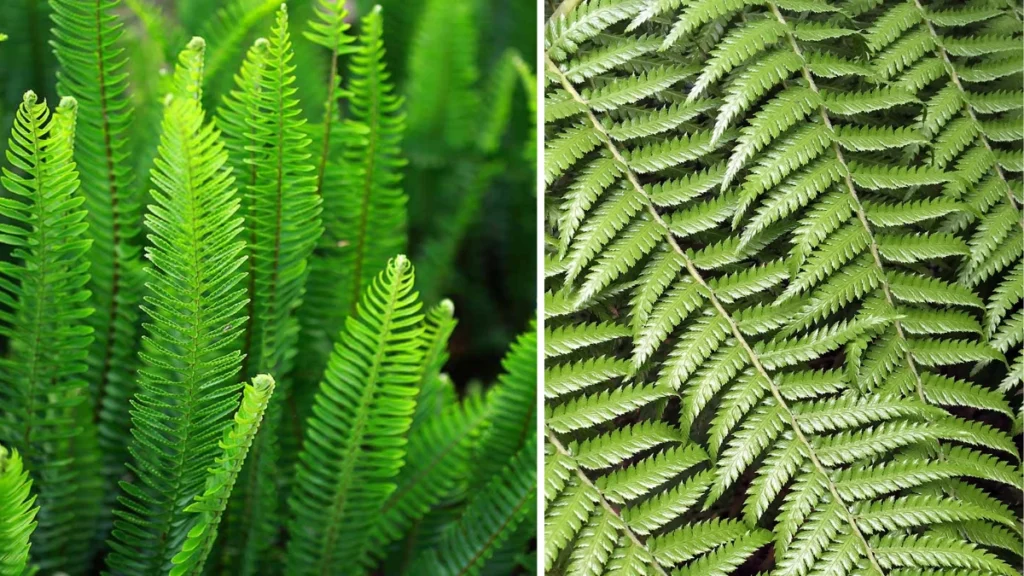
Not all kale is the same. Curly kale is hardy and produces abundant leaves, while Lacinato or dinosaur kale has a sweeter taste and tender texture. Red Russian kale brings vibrant color and flavor to salads. Choosing the right variety ensures continuous harvests and makes caring for your plants easier. Opt for organic seeds to avoid pesticides and chemicals, giving your year-round kale a natural head start.
Prepare Soil for Maximum Growth
Kale thrives in nutrient-rich, loose, and well-draining soil. Mix garden soil with compost and organic fertilizers to create a healthy environment for roots. A pH between 6.0 and 7.0 keeps leaves vibrant and supports steady growth. Adding compost regularly enriches the soil naturally, improves moisture retention, and strengthens plants against diseases. Healthy soil is the foundation for leafy, flavorful kale that grows abundantly throughout the year.
Give Kale Plenty of Sunlight
Kale needs 4 to 6 hours of sunlight daily for robust growth. Indoors, supplement sunlight with LED grow lights for 12 to 16 hours a day. Position plants near south-facing windows or rotate trays regularly for even growth. Proper lighting prevents leggy stems and keeps leaves deep green and nutrient-rich. Consistent light exposure mimics natural conditions, allowing your kale to flourish year-round, whether in summer sun or winter indoors.
Water Wisely to Keep Plants Healthy
Watering kale correctly is crucial. The soil should be evenly moist but never soggy, as overwatering can cause root rot. Check the top inch of soil for dryness before watering. Mulch around the base to retain moisture and regulate soil temperature. Drip irrigation systems or self-watering pots work wonders for indoor gardens, ensuring consistent hydration. Proper watering promotes steady growth, tender leaves, and abundant yields throughout the year.
Feed Plants for Maximum Yield
Kale benefits from regular feeding. Organic options like fish emulsion, compost tea, and liquid seaweed supply essential nutrients. Feed every 3 to 4 weeks to maintain vigorous growth without chemical buildup. Avoid excessive nitrogen fertilizers, which can make leaves grow fast but reduce flavor. Balanced nutrition ensures kale remains healthy, flavorful, and continuously productive, letting you harvest fresh leaves for months on end.
Keep Pests Away Organically
Kale attracts pests like aphids, cabbage worms, and slugs. Natural methods protect your plants without chemicals. Introduce ladybugs, apply neem oil sprays, or sprinkle diatomaceous earth around the soil. Companion planting with herbs such as dill, rosemary, or thyme helps repel insects. Vigilant care prevents infestations and keeps your kale leaves fresh, safe, and ready for consumption, maintaining a clean organic garden all year.
Harvest Leaves the Right Way
Knowing when and how to harvest kale makes a big difference. Pick the outer leaves first while leaving the inner bud intact to encourage new growth. Morning harvesting often produces the freshest taste and maximum nutrients. Regular harvesting prevents bolting and keeps leaves tender. Consistently picking your kale ensures continuous production, giving you a reliable supply for salads, smoothies, sautés, and other dishes throughout the year.
Indoor Gardening Tips for Winter
Indoor kale gardening ensures fresh greens even in the coldest months. Use pots or grow trays with good drainage, place them near sunny windows, or invest in small indoor greenhouses. Maintain stable humidity and rotate plants for uniform growth. Indoor care protects kale from frost, pests, and heat stress, allowing your leaves to remain lush, crisp, and harvest-ready. With the right setup, your indoor garden becomes a year-round kale factory.
Protect Outdoor Kale in Summer
While kale tolerates mild heat, extreme temperatures can stress plants. Provide partial shade during hot afternoons and maintain consistent watering. Mulch helps cool the soil and retain moisture, preventing leaf bitterness. Outdoor kale gardens can remain productive from spring through fall with attentive care. Heat management ensures leaves stay tender, flavorful, and nutrient-rich, letting you enjoy fresh harvests without seasonal interruptions.
Companion Plants for Healthier Growth
Kale thrives alongside certain companion plants that boost growth and repel pests. Garlic, onions, and herbs like dill or rosemary can improve flavor and deter insects. Planting flowers like marigolds also attracts beneficial pollinators. Companion planting enhances biodiversity, reduces the need for chemicals, and strengthens kale’s resilience against disease. A well-planned garden maximizes yields and ensures that your greens stay healthy and abundant year-round.
Rotate Crops for Soil Health
Continuous kale planting in the same soil can deplete nutrients. Rotate crops by planting beans, carrots, or spinach between kale cycles. Crop rotation prevents soil-borne diseases, balances nutrients, and encourages vigorous growth. After each harvest, amend soil with compost and natural fertilizers to refresh the growing medium. Healthy soil management guarantees a sustainable, high-yield garden that keeps kale leaves plentiful every season.
Prune for Better Growth
Pruning kale promotes air circulation and reduces disease risks. Trim yellowing or damaged leaves to redirect energy toward healthy growth. Keep the central bud intact for continuous production. Pruning also encourages bushier plants with more leaves per harvest. Consistent care through pruning ensures your kale remains lush, nutrient-rich, and visually appealing, enhancing both indoor and outdoor gardening success.
Maximize Nutrition in Your Harvest
Kale’s nutrient content peaks when leaves are fresh and tender. Harvest regularly and store leaves properly to retain vitamins and minerals. Wash gently and avoid prolonged exposure to sunlight after picking. Organic soil and consistent care improve flavor and nutrient density. Following these steps ensures that every leaf you consume is packed with antioxidants, calcium, vitamin K, and other essential nutrients, supporting health and wellness year-round.
Maintain Year-Round Gardening Routine
Consistency is key to year-round kale success. Set a watering schedule, monitor light conditions, fertilize periodically, and check for pests weekly. Keep a log of planting and harvesting dates to track growth patterns and adjust care routines. A steady routine prevents surprises and maximizes yield. By staying organized, your kale garden remains productive, vibrant, and reliable throughout the year, whether indoors or outdoors.
Final Word: Grow Kale Year-Round in 2026
Growing kale year-round in 2026 is fully achievable with organic practices, proper planning, and consistent care. From choosing the right variety to managing light, water, soil, pests, and harvesting techniques, every step contributes to healthy, abundant leaves. Indoor and outdoor gardens complement each other to provide a continuous supply of fresh, nutrient-packed kale. With dedication and attention to detail, your kitchen will never run out of this versatile superfood.