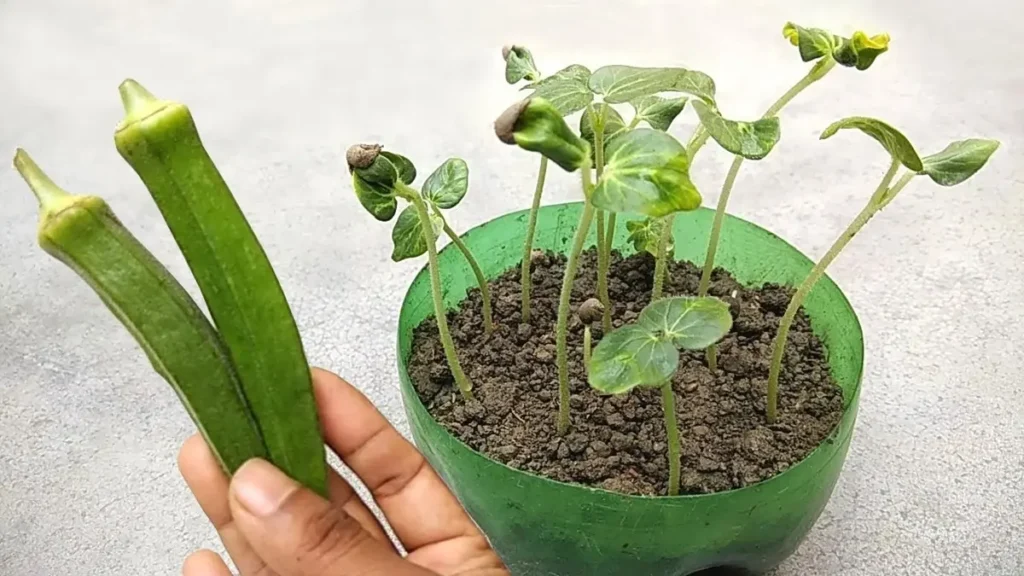
Grow Okra at Home in Pots: Growing okra at home in pots is a rewarding experience for both beginners and seasoned gardeners. Nothing beats the taste of fresh, tender lady finger plucked straight from your own balcony or terrace. Okra is a hardy plant that grows quickly, requires minimal maintenance, and produces regular harvests. Even if space is limited, you can enjoy healthy, chemical-free vegetables with a few simple steps, proper care, and attention to sunlight, water, and soil quality.
Pots Make Gardening Easy
Pots make growing okra convenient and space-efficient. Unlike traditional garden beds, pots allow you to grow vegetables even on balconies or small terraces. A well-chosen pot ensures proper drainage, root space, and easy mobility. You can move pots to get optimal sunlight or protect plants from heavy rains. Container gardening also reduces weeds, soil pests, and the need for frequent soil tilling, making it ideal for urban gardeners.
Picking The Perfect Pot
Choosing the right pot is crucial for okra growth. A container that is at least 12 inches deep and wide provides enough room for root expansion. Clay, plastic, or fabric pots work well, but drainage holes are essential to prevent waterlogging. A larger pot keeps soil moisture balanced and supports taller, healthier plants. Picking a pot with good airflow also helps prevent fungal infections, keeping your okra plants strong and productive.
Soil That Makes Plants Thrive
Okra thrives in loose, fertile, and well-draining soil. A mixture of garden soil, compost, and coarse sand provides ideal conditions. Adding vermicompost or aged manure enriches the soil with nutrients essential for robust growth. Avoid heavy clay soil that retains excess water and causes root rot. The soil should feel soft, crumbly, and light to allow roots to grow freely while maintaining moisture for long-lasting plant health.
Starting Seeds The Right Way
Starting okra from seed is easy and ensures fresh, vigorous plants. Soak seeds in water for 6 to 8 hours before sowing to improve germination. Plant seeds about one inch deep in your prepared pot, ideally two per pot, and thin to the strongest seedling after sprouting. Keep soil consistently moist but not waterlogged. Seeds usually sprout within 7 to 14 days, giving you a fast start to growing your own lady finger.
Sunshine Boosts Growth
Okra loves sunlight, which is essential for flowering and pod production. Place your pots in a spot that receives at least 6 to 8 hours of direct sunlight daily. If sunlight is limited, rotate the pots throughout the day to ensure even exposure. Adequate light encourages strong stems, vibrant leaves, and faster flowering. Without enough sun, plants may become leggy, produce fewer pods, and grow more susceptible to pests and diseases.
Watering Tips For Healthy Plants
Proper watering is critical for potted okra. Keep the soil consistently moist, especially during the flowering and pod development stages. Avoid overwatering, which can lead to root rot. Water deeply so roots grow strong and plants can withstand hot days. A simple method is to check the soil by inserting your finger—if the top inch feels dry, it’s time to water. Balanced watering ensures tender, crisp pods and robust plant growth.
Fertilizing For Maximum Yield
Fertilizing supports continuous pod production. Use a balanced organic fertilizer or liquid compost every two weeks once the plant matures. Nitrogen-rich fertilizers promote leafy growth, while phosphorus and potassium help flower and fruit development. Avoid over-fertilizing, as too much nitrogen can reduce pod quality. Regular feeding keeps your plants healthy, encourages longer harvest periods, and produces flavorful lady finger that tastes far better than store-bought vegetables.
Managing Pests Naturally
Even in pots, okra can attract pests like aphids, whiteflies, and caterpillars. Using neem oil spray, soapy water, or companion plants like marigold helps control infestations naturally. Regularly inspect leaves for early signs of pest damage, such as holes, discoloration, or sticky residue. Clean up fallen leaves and maintain airflow around plants to prevent fungal infections. With vigilant care, your okra plants remain strong, healthy, and productive throughout the season.
Flowering Leads To Fruity Pods
Okra flowers are beautiful, usually creamy yellow with a hint of red at the center. Flowering is the first sign of upcoming pods. Each flower, if pollinated, turns into a tender lady finger within 4 to 6 days. Pollination occurs naturally by bees or gentle hand pollination using a small brush. Removing old flowers or damaged pods prevents energy wastage, allowing the plant to produce new pods continuously, ensuring a steady harvest for weeks.
Harvesting At The Right Time
Harvesting okra at the right stage is crucial for tender and flavorful pods. Pick the pods when they are 2 to 4 inches long and still tender. Overgrown pods become fibrous and less enjoyable. Use a sharp knife or scissors to avoid damaging the plant. Frequent harvesting encourages the plant to produce more pods. With proper care, a single pot can yield multiple harvests, providing fresh okra for your meals almost every week.
Pruning Boosts Growth
Pruning potted okra helps improve air circulation and encourages more flowering. Trim off lower leaves and any damaged or yellowing foliage regularly. Pinching the top of the plant after it reaches 18 inches promotes lateral growth, leading to more branches and pod-bearing sites. Regular pruning prevents overcrowding in the pot and reduces the risk of pests and diseases. Healthy, pruned plants are more productive and visually appealing on your balcony or terrace.
Companion Plants Add Benefits
Planting companion herbs or flowers near your okra pots can boost growth and protect against pests. Basil, marigold, and nasturtium are excellent companions that repel harmful insects naturally. Some companions, like coriander, attract pollinators, increasing fruit set. Companion planting also improves biodiversity around your potted garden, making it more resilient and attractive. Strategic placement of companion plants supports healthy okra growth without relying on chemical pesticides.
Seasonal Tips For Pot Gardening
Okra grows best in warm weather. Sow seeds after the last frost, or start early indoors if spring is short. In extremely hot climates, partial shade during afternoon heat prevents wilting. Adjust watering according to seasonal conditions, as pots dry faster in summer and retain more moisture in winter. Understanding seasonal variations ensures your okra plants stay healthy and productive, giving you a consistent supply of fresh lady finger throughout the growing season.
Common Mistakes To Avoid
Many home gardeners make mistakes that affect okra yield. Overwatering, planting in insufficient sunlight, or using heavy soil can stunt growth. Ignoring pest infestations or failing to fertilize reduces pod quality. Crowding too many seedlings in one pot limits root development. Avoiding these mistakes ensures strong, healthy plants and a bountiful harvest. Paying attention to sunlight, soil, watering, and pruning leads to successful container-grown okra.
Enjoy Fresh Homegrown Okra
Harvesting homegrown okra is deeply satisfying. Tender pods taste better than store-bought ones and are packed with nutrients like fiber, vitamins, and antioxidants. Use them in curries, stir-fries, soups, or fry them with minimal oil for a healthy, fresh meal. Growing okra at home not only saves money but also provides a rewarding connection with your food. Fresh, homegrown lady finger brings flavor, nutrition, and pride to your kitchen.
Conclusion
Growing okra in pots is simple, fun, and rewarding. With the right pot, soil, sunlight, watering, and care, anyone can enjoy fresh, chemical-free lady finger at home. Regular harvesting, pruning, and pest management ensure continuous production. This versatile vegetable thrives in container gardens, making it perfect for urban homes, balconies, and terraces. By following these tips, you can enjoy a bountiful, healthy, and flavorful okra harvest throughout the season, straight from your own garden.