Guava Grow Guide: Guava is one of the most rewarding fruit trees you can grow in a warm climate. With its tropical aroma, sweet taste, and impressive nutritional profile, guava has become a favorite among gardeners and health enthusiasts alike. The best part? It’s not a demanding plant. With the right sunlight, soil preparation, watering schedule, and care practices, guava trees can thrive and produce abundant harvests. This guide will walk you through everything you need to know to grow guava successfully and enjoy baskets of fresh fruit straight from your garden.
Sunlight creates sweeter harvests
Guava trees thrive in full sun, and the more sunlight they receive, the better their fruit quality. Aim for at least six to eight hours of direct sunlight daily. Sunlight fuels photosynthesis, which powers growth and enhances the natural sweetness of guava fruit. If your garden has shaded areas, prioritize the brightest spot for planting guava. A sun-drenched environment ensures vigorous growth, healthier foliage, and fruits that are juicy, aromatic, and packed with flavor.
Soil health builds strong roots
Healthy soil is the backbone of guava cultivation. The tree prefers sandy loam enriched with organic matter, which allows roots to spread freely while retaining essential nutrients. A slightly acidic to neutral pH is ideal. Adding compost or aged manure improves fertility and keeps the soil light and airy. Avoid heavy clay or waterlogged conditions, as guava roots are sensitive to excess moisture. With nutrient-rich soil, your guava tree will establish strong roots and deliver consistent yields.
Watering keeps growth balanced
Water is essential, but guava trees dislike extremes. Young plants need deep watering two to three times a week, while mature trees can thrive with less frequent irrigation. Overwatering can lead to root rot, while underwatering stresses the plant and reduces fruit yield. Mulching around the base helps retain moisture and prevents evaporation during hot summers. By maintaining balanced watering, you ensure steady growth, lush foliage, and reliable fruiting throughout the season.
Pruning shapes productive trees
Pruning is a vital step in guava care. By removing weak, diseased, or overcrowded branches, you improve airflow and sunlight penetration within the canopy. This reduces pest risks and encourages new shoots that bear fruit. The best time to prune is after harvest, giving the tree time to recover before the next fruiting cycle. A well-pruned guava tree not only looks healthier but also produces larger, sweeter fruits in abundance.
Fertilizer fuels fruiting power
Nutrients are the energy source behind guava’s productivity. A balanced fertilizer containing nitrogen, phosphorus, and potassium supports foliage, flowering, and fruit development. Organic options like compost tea, fish emulsion, or bone meal are excellent for sustainable gardening. Apply fertilizer during the growing season to maximize yield. Regular feeding ensures your guava tree remains vigorous, producing fruits that are not only bigger but also richer in flavor and nutrition.
Pest control protects your harvest
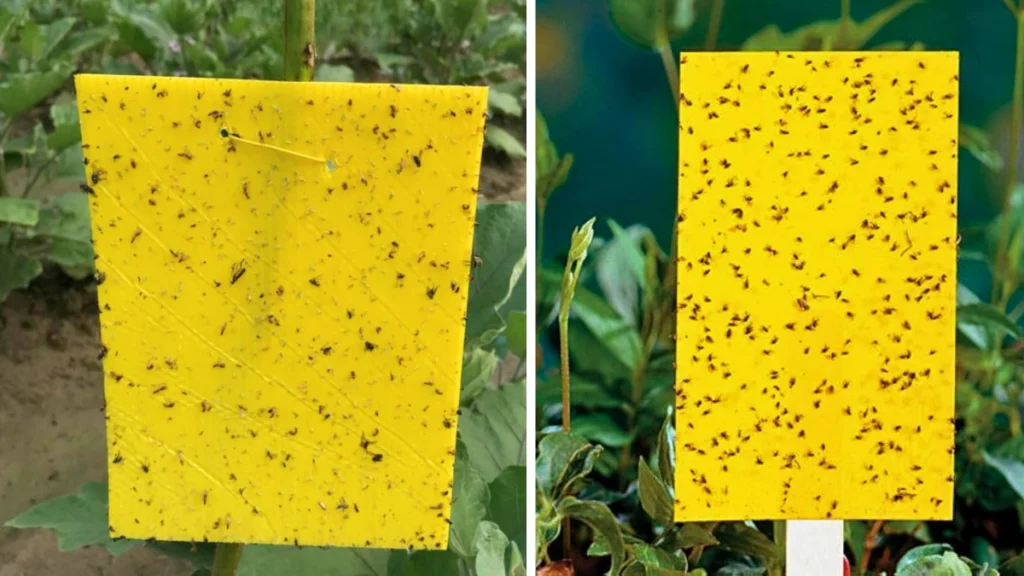
Guava trees can attract pests such as fruit flies, aphids, and scale insects. Left unchecked, these pests can damage leaves and reduce fruit quality. Natural remedies like neem oil sprays, soap solutions, or companion planting with pest-repelling herbs are effective and eco-friendly. Regular inspection is crucial—catching infestations early prevents major losses. By keeping pests under control, your guava tree stays healthy, ensuring a bountiful harvest season after season.
Climate advantage boosts resilience
Warm climates provide the perfect environment for guava cultivation. These trees tolerate heat well and can withstand short dry spells, making them ideal for tropical and subtropical regions. However, frost protection is vital, as cold snaps can damage young plants. If you live in a warm zone, guava is one of the easiest fruit trees to grow, rewarding you with lush greenery and delicious fruits almost year-round. Climate compatibility is your biggest advantage in guava success.
Mulching enhances soil moisture
Mulching is a simple yet powerful technique to support guava growth. By spreading organic mulch such as straw, leaves, or wood chips around the base, you lock in soil moisture and regulate temperature. Mulch also suppresses weeds that compete for nutrients. Over time, it breaks down and enriches the soil with organic matter. This low-maintenance practice keeps your guava tree hydrated and nourished, especially during hot summers, ensuring steady fruit production.
Spacing encourages healthy airflow
Planting guava trees too close together can lead to overcrowding, poor airflow, and increased disease risk. Proper spacing—around 10 to 15 feet apart—ensures each tree has room to grow and spread its canopy. Adequate spacing allows sunlight to reach all parts of the tree and reduces humidity buildup, which often attracts pests. By giving your guava trees breathing space, you create a healthier orchard that produces consistently high yields.
Harvest timing ensures best flavor
Knowing when to harvest guava makes all the difference in taste. Fruits are ready when they change color from dark green to light yellow or pink, depending on the variety. A gentle squeeze should reveal slight softness, indicating ripeness. Harvesting too early results in bland flavor, while waiting too long can lead to overripening. By picking guavas at the right stage, you enjoy their peak sweetness and aroma, making every bite a tropical delight.
Propagation expands your orchard
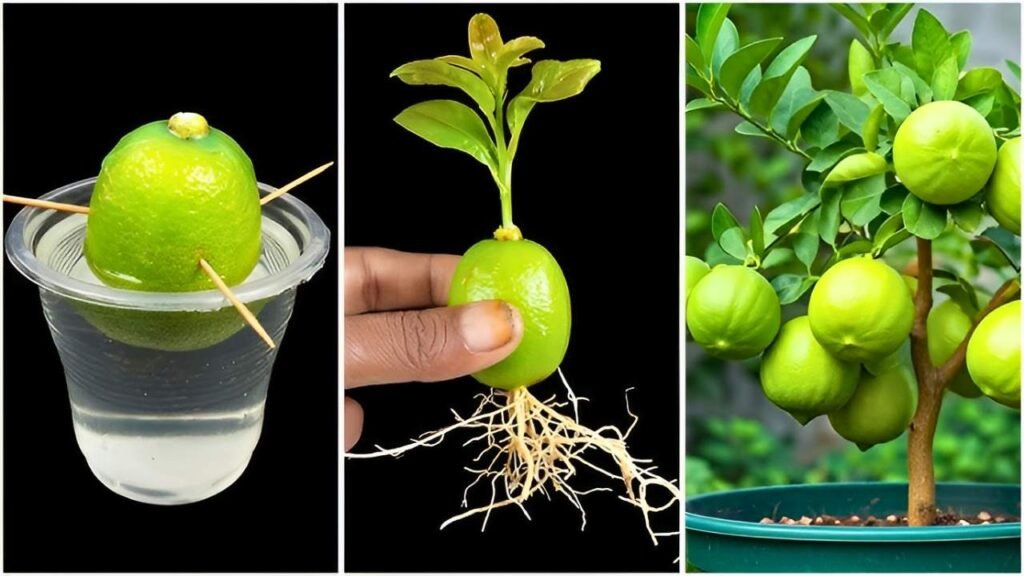
Guava trees can be propagated through seeds, cuttings, or air layering. While seeds are easy, they may not produce true-to-type fruit. Cuttings and air layering are more reliable, ensuring identical fruit quality to the parent plant. Propagation allows you to expand your orchard without purchasing new trees. With patience and care, you can multiply your guava collection, creating a thriving garden filled with this tropical treasure.
Container growing offers flexibility
If you lack garden space, guava can be grown in large containers. Choose a pot with good drainage and fill it with nutrient-rich soil. Container-grown guavas need more frequent watering and feeding, but they adapt well. This method allows urban gardeners to enjoy fresh guavas even in small balconies or patios. With proper care, container guava trees can produce impressive yields and bring tropical charm to compact spaces.
Companion planting adds benefits
Pairing guava with compatible plants can enhance growth and reduce pest problems. Herbs like basil, mint, and marigold repel insects naturally, while legumes enrich the soil with nitrogen. Companion planting creates a balanced ecosystem, improving overall garden health. By integrating guava into a diverse planting scheme, you maximize productivity and enjoy a more sustainable gardening experience.
Conclusion
Guava cultivation is a rewarding journey that combines simple care practices with the natural resilience of the plant. By focusing on sunlight, soil health, balanced watering, pruning, fertilization, pest control, and climate management, you set the stage for abundant harvests. Add techniques like mulching, proper spacing, container growing, and companion planting, and your guava tree will thrive for years to come. With dedication and attention, you’ll enjoy baskets of sweet, aromatic guavas straight from your garden—a true taste of tropical success.