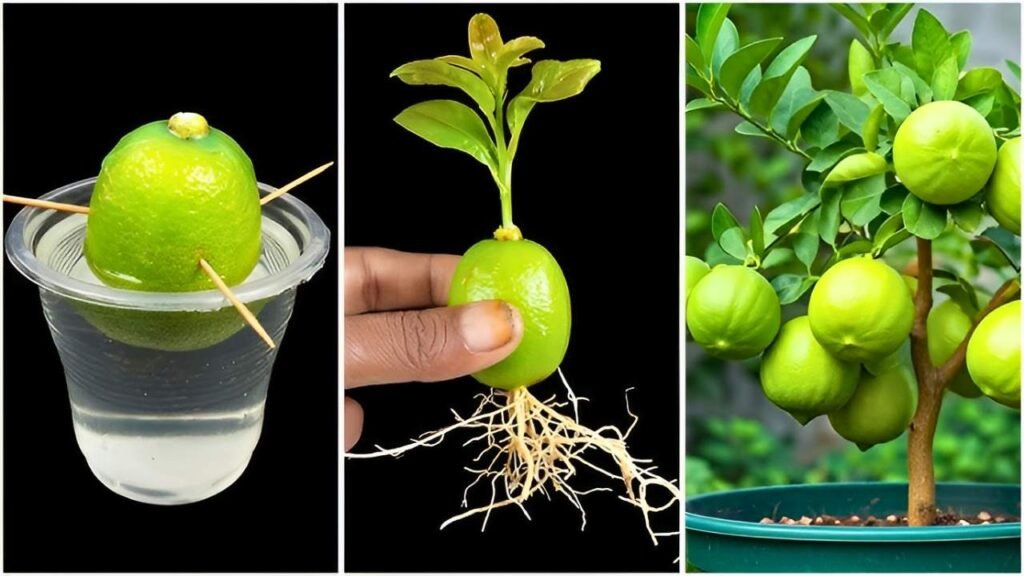
How to Grow a Lemon Tree from a Lemon: Growing a lemon tree from a lemon is not just a gardening activity, it is a long-term and satisfying experience. Watching a small seed slowly turn into a green plant creates a strong connection with nature. Many people think lemon trees need expert skills, but with the right approach, anyone can grow one at home. Whether you live in an apartment or a house with a garden, this method works well. This guide explains every step clearly with fresh, human-written details so you can grow a healthy lemon tree with confidence.
Picking the Perfect Lemon Matters
The foundation of a healthy lemon tree begins with selecting the right lemon. Always choose a fresh, fully ripe lemon that feels firm and heavy. Organic lemons are the best option because their seeds are not treated with chemicals that stop germination. Seeds from low-quality or treated lemons often fail to sprout. A good lemon increases the chance of strong roots, healthy leaves, and long-term plant growth, making this step extremely important.
Extracting Seeds the Right Way
Cut the lemon carefully and remove the seeds gently to avoid damage. Cracked or broken seeds will not grow. Rinse the seeds under clean water to remove all pulp and juice. This step prevents fungus and mold during germination. Clean seeds should feel smooth and firm. Do not allow them to dry completely, as fresh lemon seeds germinate much faster and produce stronger sprouts.
Speed Up Germination Naturally
Lemon seeds are covered with a thin white skin that slows water absorption. Carefully peeling this layer helps the seed sprout faster. Once peeled, wrap the seeds in a moist paper towel and place them in a warm, dark area. Keep the towel damp but not dripping wet. Check daily to ensure moisture remains. Within one to two weeks, small roots usually appear, showing the seed is ready for soil.
Soil Choice Makes or Breaks Growth
Lemon trees require well-draining soil to prevent root damage. Heavy soil holds excess water and can rot roots. A healthy mix includes potting soil, sand, and organic compost. This combination keeps the soil light while retaining enough moisture. If planting in a pot, ensure proper drainage holes are present. Good soil supports strong root development and improves nutrient absorption throughout the plant’s life.
Planting the Seed with Care
Plant the sprouted seed about one inch deep into the soil with the root facing downward. Cover it lightly and water gently. Do not press the soil too firmly, as roots need space to expand. Place the pot in a warm location where sunlight is available. Early planting care determines how quickly the plant adapts and starts producing healthy leaves.
Watering Without Overdoing It
Balanced watering is essential for lemon plants. The soil should remain slightly moist but never waterlogged. Water only when the top layer of soil feels dry to the touch. Overwatering causes yellow leaves and weak roots, while underwatering slows growth. Always allow excess water to drain completely. Maintaining this balance helps the plant grow steadily and stay disease-free.
Sunlight Is the Real Fuel
Lemon trees need abundant sunlight to grow properly. At least six to eight hours of bright sunlight daily is ideal. Place the plant near a sunny window, balcony, or terrace. In low-light conditions, a grow light can support healthy growth. Insufficient sunlight results in thin stems and slow development. Rotating the pot regularly ensures even exposure on all sides.
Temperature and Climate Awareness
Warm temperatures are best for lemon trees. They grow well between 18°C and 30°C. Cold temperatures can slow growth or damage the plant. In cooler regions, growing lemon trees in pots allows easy movement indoors during winter. Sudden temperature changes should be avoided, as they stress the plant. Consistent warmth helps maintain healthy leaf and root growth.
Feeding the Plant Properly
Once the plant develops several leaves, it needs nutrients to continue growing. Use a citrus-specific fertilizer every three to four weeks during the growing season. Organic compost or liquid fertilizer works well for gradual nourishment. Over-fertilizing should be avoided, as it can burn roots and damage the plant. Proper feeding supports strong stems, healthy leaves, and future fruit development.
Pruning for Strong Structure
Pruning helps shape the lemon tree and encourages healthy branching. Remove weak, damaged, or crowded branches to improve airflow and light penetration. Light pruning is enough for young plants. As the tree matures, pruning supports balanced growth and prepares the plant for fruiting. Healthy structure improves long-term stability and plant appearance.
Pest Control Without Chemicals
Lemon trees may attract pests like aphids and spider mites. Regular inspection of leaves helps catch problems early. Washing the plant with water or using natural solutions like neem oil is effective. Chemical pesticides are not recommended, especially for indoor plants. Natural pest control keeps the plant safe, healthy, and environmentally friendly.
Repotting at the Right Time
As the lemon tree grows, its roots need more space. When roots begin appearing from drainage holes, repotting becomes necessary. Choose a slightly larger pot and fresh soil. Handle the roots carefully to avoid stress. Repotting refreshes nutrients and encourages further growth, supporting long-term plant health.
Understanding Growth Expectations
Lemon trees grown from seeds take time to mature. Leaves appear within months, but fruits may take three to five years or longer. Some seed-grown trees may not produce identical lemons. Despite this, they remain beautiful ornamental plants with glossy leaves and a refreshing citrus aroma. Patience is essential when growing from seed.
Indoor vs Outdoor Growing
Lemon trees grow well both indoors and outdoors. Indoor plants need proper light and ventilation, while outdoor plants require protection from harsh weather. Balconies and terraces are ideal in warm climates. Choosing the right environment improves growth speed and overall plant health.
Common Mistakes to Avoid
Overwatering, poor soil choice, lack of sunlight, and impatience are common mistakes. Constantly changing the plant’s location can also stress it. Lemon trees thrive on consistency. Avoid rushing the process and focus on steady care. Learning from these mistakes increases your success rate significantly.
Benefits Beyond Fruits
Growing a lemon tree offers benefits beyond lemons. It improves air quality, adds greenery, and reduces stress. Caring for a plant creates a calming routine and brings nature closer to daily life. Even without fruit, a healthy lemon tree enhances your living space naturally.
Conclusion
Growing a lemon tree from a lemon is a rewarding and educational journey. Each step, from selecting the seed to nurturing the plant, plays a crucial role. While fruiting takes time, the experience of growing your own tree is fulfilling. With proper sunlight, balanced watering, and consistent care, a simple lemon seed can grow into a strong and lasting plant that brings beauty and satisfaction for years.