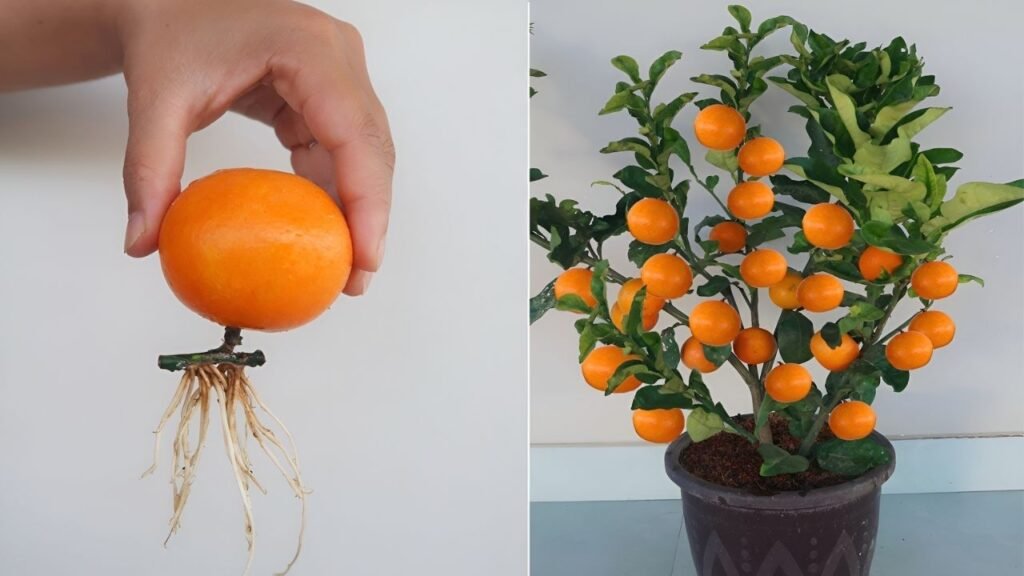
How to Grow an Orange Tree from a Fresh Orange: Growing an orange tree from a fresh orange is one of those rare gardening experiences that feels both simple and magical. You start with something ordinary from your kitchen and slowly turn it into a living, breathing plant. This process does not require expensive tools, advanced skills, or a large garden. With basic care, patience, and the right knowledge, anyone can grow an orange tree at home. This guide explains the full process in clear, practical steps, making it easy for beginners and rewarding for experienced gardeners.
Selecting the Right Orange Makes All the Difference
The journey begins with choosing the right orange. Not all oranges are suitable for growing a tree. Fresh, fully ripe oranges with visible seeds work best. Organic oranges are strongly recommended because they are less likely to be treated with chemicals that prevent sprouting. Avoid seedless varieties, as they will not produce a plant. Healthy seeds are usually light brown, firm, and plump. Selecting the right fruit increases germination success and gives your future tree a stronger start.
Extracting Seeds Without Damaging Them
Careful seed extraction is an important step that many people rush. After cutting the orange, gently remove the seeds using your fingers. Avoid using sharp tools, as scratches or cuts can damage the seed embryo. Once removed, rinse the seeds under clean water to remove all pulp and sugar. Any leftover fruit residue can cause mold during planting. Clean seeds are healthier, safer, and more likely to sprout successfully.
Preparing Seeds for Faster Germination
Seed preparation helps speed up the sprouting process. Fresh orange seeds should never be allowed to dry out completely. After cleaning, soak the seeds in lukewarm water for about 12 to 24 hours. This softens the outer shell and signals the seed that growing conditions are favorable. Some gardeners gently peel off the thin outer skin, but this step is optional and requires care. Proper preparation increases the chances of early and strong germination.
Choosing the Ideal Pot for Healthy Roots
A suitable pot provides the foundation for healthy growth. Small to medium-sized pots with drainage holes are ideal for starting orange seeds. Drainage is critical because orange roots do not tolerate standing water. Plastic or clay pots both work well, as long as excess water can escape. Starting with a smaller pot helps control moisture levels and allows the young plant to focus on root development rather than struggling to fill too much space.
Soil Quality Determines Early Growth Success
Soil plays a major role in how well your orange tree develops. Use light, well-draining potting soil that allows air to reach the roots. A mix designed for citrus plants or indoor plants works well. Adding a small amount of sand or compost improves drainage and nutrient balance. Avoid heavy garden soil, which can become compacted and suffocate roots. Healthy soil supports steady growth, strong roots, and vibrant green leaves.
Planting the Seed with Proper Depth
Planting depth directly affects germination. Place the orange seed about one inch below the soil surface. Cover it lightly and gently press the soil to remove air pockets without compacting it. Water the soil slowly until it is evenly moist. The soil should never be soaked. Proper depth protects the seed while allowing it to push through the soil easily once it begins to sprout.
Creating the Perfect Environment for Sprouting
Orange seeds require warmth and gentle light to sprout. Place the pot in a warm location with indirect sunlight. A bright windowsill works well, especially in cooler climates. Ideal temperatures range between 20 to 30 degrees Celsius. Cold conditions slow down germination, while extreme heat can dry out the soil. Maintaining a warm, stable environment encourages consistent and healthy sprouting.
Watering Correctly Prevents Early Failure
Watering is one of the most common mistakes beginners make. Orange seeds need moisture, but excess water can cause rot. Water the pot only when the top layer of soil feels dry to the touch. Always check drainage to ensure water is not collecting at the bottom. Consistent but moderate watering keeps the soil balanced and supports root development without stress.
First Sprouts Signal a Successful Start
Germination usually takes two to four weeks, though some seeds may take longer. When the first green shoot appears, it is a sign that your efforts are paying off. At this stage, the plant is very delicate. Avoid moving the pot frequently or exposing it to harsh sunlight. Gentle care during this phase helps the seedling grow stronger and adapt to its environment.
Feeding the Young Orange Plant Wisely
Young orange plants benefit from light feeding once they develop a few leaves. Use a diluted, balanced liquid fertilizer every three to four weeks. Avoid overfeeding, as young roots are sensitive and can burn easily. Citrus-friendly fertilizers are ideal because they contain essential nutrients like nitrogen, potassium, and magnesium. Proper feeding supports leaf growth, stem strength, and overall plant health.
Sunlight Builds a Strong Tree Structure
Sunlight is essential for photosynthesis and healthy growth. Orange trees need at least six to eight hours of bright light daily. As the plant grows stronger, gradually introduce it to direct sunlight. Sudden exposure can shock the leaves, so increase sunlight slowly. Indoor plants benefit from rotating the pot occasionally to ensure even growth on all sides.
Transplanting at the Right Time Matters
As the orange plant grows taller and roots begin to fill the pot, transplanting becomes necessary. Choose a larger pot with good drainage and fresh soil. Carefully remove the plant, keeping the root ball intact. Transplanting too early or too late can stress the plant. The right timing allows the roots to expand freely and supports faster, healthier growth.
Pruning Shapes Future Growth
Light pruning helps shape the tree and encourages branching. Remove weak or damaged leaves and stems using clean scissors. Pruning improves airflow and directs energy toward healthy growth. Avoid heavy pruning during the early stages, as the plant is still developing. Proper shaping early on leads to a stronger and more balanced tree in the future.
Indoor Versus Outdoor Growing Choices
Orange trees can grow indoors or outdoors depending on climate. In colder regions, indoor growing is safer, especially during winter. In warm climates, outdoor planting allows the tree to receive natural sunlight and airflow. If moving the plant outdoors, do it gradually to help it adjust. Both options work well with proper care and attention.
Understanding Fruit Expectations Clearly
Seed-grown orange trees take time to mature. It can take five to ten years before the tree produces fruit. Some seed-grown trees may not produce fruit identical to the original orange. This is normal and should not discourage you. Many people grow orange trees for their beauty, fragrance, and satisfaction rather than fruit alone.
Protecting the Plant from Common Problems
Orange plants can face issues like pests, yellowing leaves, or slow growth. Regularly inspect leaves for insects and treat them early using natural solutions. Yellow leaves often indicate overwatering or nutrient imbalance. Adjust care accordingly. Early problem detection keeps the plant healthy and prevents long-term damage.
Long-Term Care Builds a Lasting Tree
Consistency is the secret to long-term success. Regular watering, proper sunlight, occasional feeding, and timely pruning keep the tree healthy. As the tree grows, its care routine becomes easier to manage. Long-term attention transforms a small seedling into a beautiful, long-living orange tree.
Conclusion
Growing an orange tree from a fresh orange is a rewarding process that combines patience, care, and simple gardening knowledge. From selecting the right fruit to nurturing a growing tree, every step adds value to the experience. While fruit production takes time, the journey itself is fulfilling and educational. With proper care and dedication, a single orange seed can grow into a lasting symbol of natural growth and personal achievement.