How to Grow French Beans (Green Beans): French beans, also known as green beans or snap beans, are one of the most versatile vegetables you can grow at home. They’re crisp, fiber‑rich, and packed with vitamins like A, C, and K. Beyond nutrition, they bring a fresh crunch to salads, stir‑fries, and traditional dishes. Growing them in your own garden is not only cost‑effective but also deeply satisfying. With the right techniques, you can enjoy a steady supply of beans that taste far better than store‑bought ones.
Sunshine fuels strong growth
French beans thrive in sunny conditions. Aim for at least six hours of direct sunlight daily to ensure vigorous growth. Sunlight helps plants photosynthesize efficiently, producing lush foliage and healthy pods. Without adequate light, beans may grow weak and yield poorly. Position your garden bed or containers in a bright spot, ensuring plants get the energy they need to grow vigorously and deliver a steady supply of crisp beans.
Soil preparation sets the stage
Healthy soil is the foundation of successful bean cultivation. Loosen the soil to a depth of 8–10 inches and enrich it with compost or organic matter. Beans prefer slightly acidic to neutral soil, ideally between pH 6.0 and 7.0. Avoid excessive nitrogen fertilizers, which encourage leafy growth at the expense of pods. Balanced soil preparation ensures plants channel energy into producing tender, fiber‑rich beans that are perfect for cooking and snacking.
Seeds deserve gentle planting
Direct sowing is the most effective way to grow French beans. Plant seeds one inch deep and three inches apart, leaving enough space for airflow and root expansion. Rows should be spaced about 18 inches apart for easy maintenance. Water gently after planting, keeping the soil moist but not soggy. Within a week, sprouts will emerge, signaling the start of your bean journey. Proper planting sets the tone for a healthy, productive crop.
Climbing beans need support
Bush beans grow compactly, but climbing varieties require vertical support. Use bamboo poles, trellises, or netting to guide their upward growth. Vertical gardening saves space, improves air circulation, and makes harvesting easier. Watching beans twine gracefully around supports adds charm to your garden while boosting productivity. Providing sturdy structures ensures your climbing beans reach their full potential, rewarding you with a continuous supply of pods throughout the season.
Watering keeps beans happy
Consistent moisture is key to healthy bean plants. Water deeply once or twice a week, depending on weather conditions. Early morning watering is best, as it allows leaves to dry during the day, reducing fungal risks. Mulching around plants helps retain moisture and suppress weeds. Avoid overwatering, which can stunt growth and invite disease. Aim for soil that feels like a wrung‑out sponge—moist but not waterlogged—for optimal bean development.
Natural defenses against pests
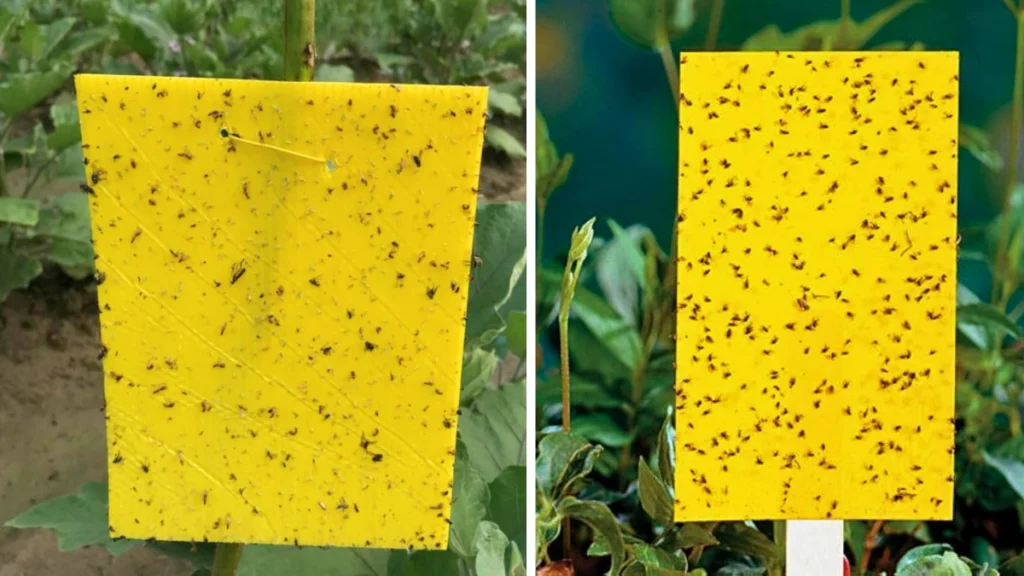
French beans are vulnerable to pests like aphids, beetles, and caterpillars. Instead of harsh chemicals, opt for natural solutions. Neem oil sprays, garlic water, or companion planting with marigolds can deter invaders. Regularly inspect leaves for early signs of infestation. Encouraging beneficial insects such as ladybugs helps maintain balance. Natural pest control keeps your beans safe, healthy, and chemical‑free, ensuring your harvest is wholesome and family‑friendly.
Harvest timing matters most
Picking beans at the right stage ensures maximum flavor and nutrition. Harvest pods when they are firm, crisp, and about four to six inches long. Waiting too long makes them tough and stringy. Frequent harvesting encourages plants to produce more pods, extending your yield. Use scissors or gently snap beans off to avoid damaging stems. Freshly harvested beans taste sweeter and retain more nutrients, making your effort worthwhile.
Storage extends garden rewards
Fresh beans can be stored in the refrigerator for up to a week. For longer preservation, blanch them briefly in boiling water, cool in ice water, and freeze. This locks in flavor and nutrients, giving you a supply even in off‑season months. Proper storage ensures your hard work continues to reward you long after harvest day. With smart preservation, your garden’s bounty becomes a year‑round delight.
Companion plants boost success
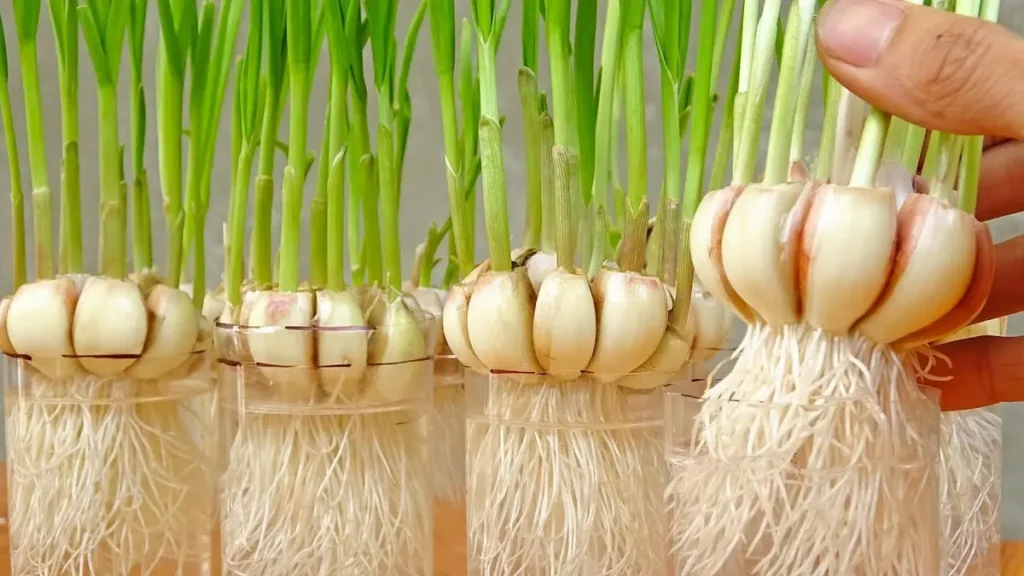
Pairing French beans with the right companions enhances growth. Planting beans alongside corn, cucumbers, or carrots creates a mutually beneficial environment. Beans fix nitrogen in the soil, enriching it for neighboring crops. Avoid planting them near onions or garlic, which can stunt growth. Thoughtful companion planting not only improves yield but also creates a diverse, resilient garden ecosystem that thrives naturally.
Rotation prevents soil fatigue
Growing beans in the same spot year after year can deplete soil nutrients and invite pests. Practice crop rotation by changing planting locations each season. Rotate beans with leafy greens, root vegetables, or cereals to maintain soil health. This simple strategy reduces disease risks and ensures long‑term productivity. Rotation keeps your garden balanced, fertile, and ready to support healthy bean harvests year after year.
Organic feeding boosts flavor
While beans don’t require heavy feeding, occasional organic fertilizers can enhance growth. Compost tea, fish emulsion, or seaweed extract provide gentle nourishment. These natural boosters improve soil structure and encourage pod development without overwhelming plants. Organic feeding ensures beans grow flavorful and nutrient‑dense, making them a delicious addition to your meals. A little extra care goes a long way in producing premium harvests.
Container gardening works wonders
If space is limited, French beans thrive in containers. Choose pots at least 12 inches deep with good drainage. Use a nutrient‑rich potting mix and place containers in sunny spots. Water consistently and provide support for climbing varieties. Container gardening allows urban dwellers to enjoy fresh beans without a backyard. It’s a practical, space‑saving solution that brings the joy of homegrown produce to balconies and patios.
Seasonal care ensures success
French beans are warm‑season crops, best planted after the last frost. In cooler climates, wait until soil temperatures reach at least 15°C. Succession planting every two weeks ensures a continuous harvest. Adjust care based on seasonal changes—extra watering during hot spells and protection during unexpected cold snaps. Seasonal awareness helps you adapt and maintain healthy plants, ensuring reliable yields throughout the growing period.
Nutritional benefits of beans
Beyond gardening, French beans are a powerhouse of nutrition. They’re low in calories yet high in fiber, supporting digestion and weight management. Rich in antioxidants, they help fight inflammation and boost immunity. Their vitamin content supports bone health, skin glow, and overall vitality. Growing beans at home means you’re not just cultivating food—you’re nurturing wellness for yourself and your family. Every pod harvested is a step toward healthier living.
Culinary delights with beans
Freshly harvested beans elevate everyday meals. Toss them into salads for crunch, sauté with garlic for a quick side dish, or add them to curries and stews for extra nutrition. They pair beautifully with spices, herbs, and sauces, adapting to diverse cuisines. Homegrown beans taste sweeter and fresher than store‑bought, making every dish more enjoyable. Cooking with your own harvest adds pride and flavor to the dining table.
Conclusion
French beans are a gardener’s delight—easy to grow, nutrient‑rich, and endlessly versatile in the kitchen. With sunshine, healthy soil, smart watering, and natural pest control, you can enjoy abundant harvests. Companion planting, rotation, and organic feeding further enhance success. Whether in a backyard bed or a balcony container, French beans reward your effort with crisp, fiber‑rich pods that elevate meals. Start planting today, and let your garden deliver the satisfaction of homegrown goodness.