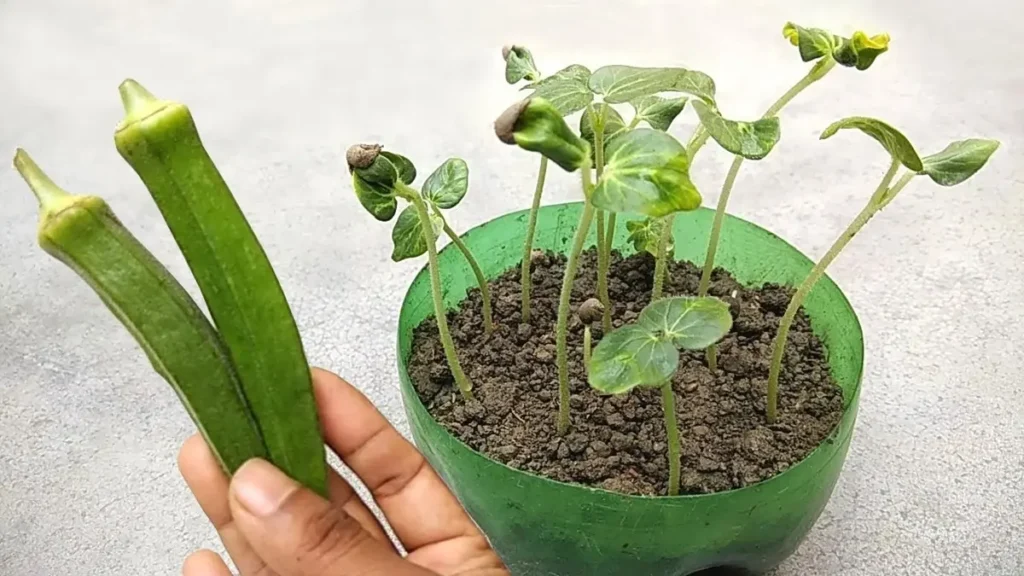
How to Grow Vegetables in Plastic Bottles from Seeds: Growing vegetables at home is no longer limited to people with big gardens or farming experience. Plastic bottle gardening has changed the way beginners approach home-grown food. This method allows anyone to grow fresh vegetables using simple household waste and basic seeds. It is budget-friendly, space-saving, and perfect for urban homes. From balconies and rooftops to windowsills and small kitchens, plastic bottles can turn any corner into a mini vegetable garden with consistent results.
Why Plastic Bottle Gardening Is a Smart Choice
Plastic bottle gardening is popular because it combines convenience with sustainability. Used bottles are easily available and cost nothing, making this method ideal for beginners. These containers help maintain moisture levels, protect young plants, and fit into tight spaces. Plastic bottles also allow better control over soil quality and watering. This approach supports eco-friendly living while producing clean, chemical-free vegetables at home.
Selecting The Best Plastic Bottles For Growth
Choosing the right bottle plays a key role in plant health. Larger bottles support vegetables with deeper roots, while medium bottles are perfect for leafy greens. Transparent bottles help monitor moisture and root development. Strong bottles last longer and can be reused multiple times. Clean bottles ensure no harmful residue affects seed growth. Proper bottle selection sets the foundation for successful vegetable gardening.
Cutting And Shaping Bottles Correctly
Proper cutting improves airflow and root expansion. Bottles can be cut vertically, horizontally, or from the top depending on plant type. Adequate depth allows roots to grow freely without restriction. Smooth edges prevent injury and make handling easier. Creating drainage holes at the bottom prevents excess water buildup. Well-shaped bottles transform waste plastic into functional plant containers.
Drainage Holes Prevent Plant Damage
Drainage is critical for healthy plant growth. Without drainage holes, water collects at the bottom, causing root rot and fungal diseases. Small holes allow excess water to escape while retaining enough moisture for roots. Proper drainage improves oxygen flow and nutrient absorption. Plants grown with good drainage develop stronger roots and healthier leaves, ensuring better vegetable yield over time.
Soil Mix That Boosts Seed Growth
The right soil mix determines how well seeds germinate. Loose, well-draining soil allows roots to spread easily inside bottles. A balanced mix holds moisture without becoming compact. Heavy soil restricts airflow and slows growth. Nutrient-rich soil supports early plant development and reduces transplant shock. Healthy soil encourages faster sprouting and steady vegetable production throughout the growing cycle.
Choosing Seeds That Grow Easily
Not all seeds perform equally in plastic bottles. Fast-growing vegetables are ideal for beginners because they require minimal care. Leafy greens, herbs, and compact vegetables adapt well to small containers. Seeds with shallow root systems grow faster and produce reliable harvests. Starting with easy seeds builds confidence and helps beginners understand plant behavior before trying advanced varieties.
Correct Seed Planting Technique Matters
Planting seeds at the correct depth is essential for proper germination. Seeds placed too deep struggle to reach the surface, while shallow seeds dry out quickly. Each seed needs enough space to grow without competition. Gentle watering after planting prevents seed displacement. Proper technique ensures even sprouting and reduces plant stress during early growth stages.
Watering Balance Keeps Plants Healthy
Watering is one of the most important aspects of bottle gardening. Plastic containers dry faster than garden soil, requiring regular monitoring. Too much water damages roots, while too little slows growth. Watering should keep soil moist but not soggy. Consistent watering schedules help plants develop strong stems and lush leaves. Balanced moisture leads to better vegetable quality.
Sunlight Placement Boosts Growth Speed
Sunlight plays a vital role in photosynthesis and plant strength. Most vegetables require several hours of direct sunlight daily. Bottles should be placed where they receive consistent natural light. Poor lighting results in weak stems and pale leaves. Rotating bottles ensures even growth. Proper sunlight exposure leads to faster growth and higher vegetable yields.
Indoor Bottle Gardening Works Too
Plastic bottle gardening is not limited to outdoor spaces. Indoor setups near windows or balconies work equally well. Adequate sunlight and airflow are essential for indoor growth. Indoor gardening protects plants from harsh weather and pests. With proper care, vegetables grown indoors remain fresh, clean, and healthy. This method is perfect for apartment dwellers.
Fertilizer Support For Strong Plants
As plants grow, nutrients in soil gradually reduce. Natural fertilizers help replenish essential nutrients. Light feeding improves leaf color and overall strength. Over-fertilizing should be avoided as it damages roots. Periodic nutrient support ensures steady growth and improves vegetable taste. Healthy feeding practices maintain long-term productivity in bottle gardens.
Maintenance Keeps Plants Productive
Regular maintenance helps plants grow without stress. Removing dead leaves improves airflow and reduces disease risk. Thinning overcrowded seedlings gives space for stronger plants. Checking soil moisture prevents drying or waterlogging. Simple care routines keep plants healthy and productive. Well-maintained plants produce vegetables for longer periods.
Common Beginner Mistakes To Avoid
Many beginners make mistakes that slow plant growth. Using bottles without drainage holes leads to root damage. Overwatering is another common issue. Placing plants in low-light areas weakens growth. Ignoring soil quality reduces yields. Learning from mistakes improves future results. Small adjustments make a big difference in plant health.
Seasonal Planning Improves Success
Understanding seasonal growth patterns helps gardeners plan better. Some vegetables grow faster in warmer conditions, while others prefer cooler temperatures. Choosing the right season reduces plant stress and increases yield. Bottle gardening allows flexibility in moving plants as weather changes. Seasonal planning ensures consistent harvests throughout the year.
Reusing Bottles For Continuous Harvest
Plastic bottles can be reused multiple times with proper cleaning. Old soil can be refreshed with compost for new planting cycles. Continuous reuse saves money and reduces waste. Rotating crops prevents soil fatigue. This sustainable practice supports long-term gardening success and steady vegetable supply at home.
Harvesting Vegetables At The Right Time
Harvest timing affects taste and nutrition. Picking vegetables at the right stage ensures better flavor and texture. Delayed harvesting can reduce plant productivity. Regular harvesting encourages new growth. Freshly harvested vegetables offer higher nutritional value compared to store-bought options. Timely harvesting maximizes the benefits of bottle gardening.
Benefits Of Plastic Bottle Gardening Lifestyle
This gardening method promotes healthier eating habits and sustainable living. Growing vegetables at home reduces dependency on market produce. It encourages recycling and waste reduction. Gardening also provides mental relaxation and stress relief. Plastic bottle gardening blends health, environment, and convenience into one simple lifestyle change.
Conclusion
Plastic bottle vegetable gardening is a powerful solution for beginners seeking fresh, homegrown food with minimal investment. It transforms everyday waste into productive growing spaces and fits perfectly into modern lifestyles. With proper bottle preparation, soil care, watering, and sunlight, anyone can grow vegetables successfully from seeds. This method proves that healthy food and sustainable living can start right at home with simple plastic bottles.