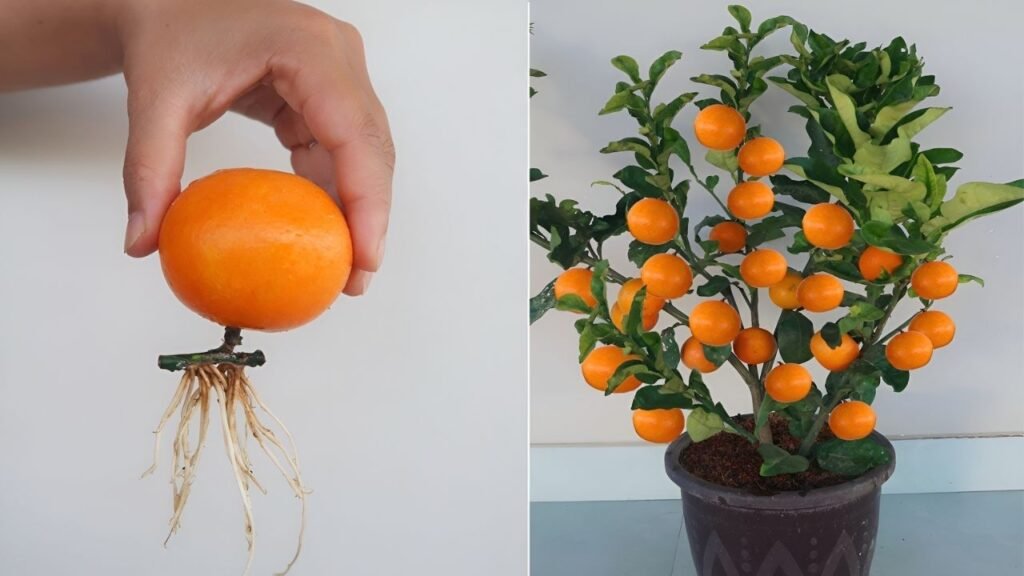
Tangerine Tree Care 2026: Growing your own tangerines at home is more satisfying than buying them from the store. Nothing beats the taste of fresh, sun-kissed fruit straight from a tree you nurtured yourself. The good news is you don’t need a backyard to enjoy this pleasure. With container gardening, even small patios, balconies, or terraces can host a healthy, fruit-bearing tangerine tree. From selecting the right variety to perfect soil mixtures, watering tricks, and pest control, container tangerine care has never been easier.
Pick the Right Tangerine Variety
Not all tangerines are suitable for pots, so choosing a compact, slow-growing variety is crucial. Varieties like Dancy, Honey, and Clementine are ideal for container growth because they stay smaller, produce abundant fruit, and adapt well to limited soil space. These varieties also thrive indoors or in partial sunlight, making them perfect for apartments or urban gardens. Starting with the right variety saves effort later and ensures you get juicy, sweet fruit without constant pruning.
Use Nutrient-Rich Soil Mix
A healthy tangerine tree starts with the soil. Citrus trees prefer well-draining soil with a mix of organic compost, peat moss, and perlite. Adding sand can also improve drainage, preventing root rot in pots. Regular potting soil is not enough because container trees need nutrients to thrive in limited space. Enrich the soil with slow-release fertilizers designed for citrus to keep your tree strong and fruiting abundantly throughout the year.
Choose the Perfect Container Size
Containers play a bigger role than most gardeners realize. Start with a pot at least 18-24 inches wide for young trees. As the tree grows, transplant it to a larger container to prevent root binding. Ensure the pot has multiple drainage holes because citrus roots cannot tolerate standing water. Heavy ceramic or clay pots provide stability, especially when the tree is laden with fruit, while lightweight plastic containers are easier to move for sunlight exposure.
Provide Plenty of Sunlight Daily
Tangerine trees love sunlight, ideally 8-10 hours per day. Place your potted tree in a bright location, whether it’s outdoors or near a sunny window. Insufficient light leads to weak growth, poor flowering, and reduced fruit. If natural sunlight is limited, consider using LED grow lights to supplement. Rotating the tree occasionally ensures even growth, preventing lopsided branches and uneven fruiting. Sunlight is the secret ingredient for sweet, aromatic tangerines.
Master Watering for Healthy Roots
Watering tangerines in pots requires balance. Overwatering can cause root rot, while underwatering stresses the tree, reducing fruit production. The soil should be moist but not soggy. Water deeply once or twice a week, depending on climate and pot size. In hotter months, the tree may require more frequent watering. Always check the top two inches of soil; if dry, it’s time to water. Mulching the soil surface helps retain moisture and keeps roots cool.
Fertilize Regularly for Abundant Fruit
Container-grown tangerines need regular feeding because nutrients deplete faster than in-ground trees. Use a balanced citrus fertilizer with nitrogen, phosphorus, and potassium. Fertilize monthly during the growing season and reduce frequency in winter. Organic options like compost tea, seaweed extract, or well-rotted manure also work well. Proper fertilization ensures strong branches, vibrant leaves, and sweet, juicy fruit. Healthy nutrition is key to a tree that thrives year after year in pots.
Prune to Shape and Strengthen
Pruning is essential for container tangerines to prevent overcrowded branches and maintain airflow. Remove dead or weak branches and trim long shoots to encourage lateral growth. Regular pruning also helps the tree focus energy on producing fruit instead of excessive foliage. Avoid heavy pruning in flowering season to prevent reducing fruit yield. A well-shaped tree is easier to manage, looks attractive on patios, and maximizes sunlight exposure for all branches.
Protect from Pests Naturally
Even container tangerines can attract pests like aphids, spider mites, and scale insects. Inspect leaves regularly for sticky residue, curling, or discoloration. Organic solutions like neem oil sprays, insecticidal soap, or garlic-chili water work effectively without harming beneficial insects. Introducing natural predators like ladybugs can also control infestations. Early detection is crucial because pests multiply quickly in confined pot environments, and timely action ensures healthy foliage and abundant fruit.
Encourage Flowering and Fruiting
Flowering is the first step to fruit production. To encourage blooms, provide consistent water, sunlight, and fertilizer. Citrus trees also benefit from slight stress during spring by slightly reducing water to trigger flowering. Pollination is another factor; indoor trees may need hand pollination using a small brush to transfer pollen between flowers. With proper care, your container tangerine will reward you with fragrant blossoms that later develop into succulent, orange-hued fruit.
Winter Care for Container Trees
Tangerines are sensitive to cold, so winter requires special attention. Move potted trees indoors or to sheltered areas if temperatures drop below 50°F. Reduce watering slightly during winter dormancy but don’t let the soil dry completely. Protect the foliage from frost by using covers or cloth wraps. Proper winter care ensures the tree survives and remains ready to bloom again in spring, providing a consistent harvest year after year.
Repotting for Long-Term Growth
Repotting is essential every 2-3 years to provide fresh nutrients and more space for roots. Choose a slightly larger container and gently loosen the root ball to prevent root circling. Add fresh potting mix enriched with compost to boost growth. Repotting rejuvenates the tree, encouraging healthier leaves, stronger branches, and larger fruit. Avoid damaging the roots during the process, as container tangerines rely heavily on root health for sustained growth.
Monitor Soil pH for Optimal Health
Citrus trees thrive in slightly acidic soil with a pH between 6.0 and 6.5. Regularly test the soil using kits available at gardening stores. If the soil is too alkaline, add sulfur or organic matter to adjust pH. Balanced soil pH ensures better nutrient absorption, prevents yellowing leaves, and improves fruit quality. Healthy soil chemistry is often overlooked but is a critical factor in maintaining a thriving container tangerine tree.
Enjoy Fresh Tangerines Year-Round
With proper care, container tangerines can provide a steady supply of fresh fruit. Regular feeding, sunlight, pruning, and pest monitoring create ideal conditions for fruit production. Indoor gardeners can even enjoy aromatic blossoms filling the room in spring. Harvesting ripe tangerines is satisfying, and knowing every fruit came from your own hands makes them even sweeter. Growing tangerines in pots combines the joy of gardening with delicious rewards.
Maximize Space in Small Gardens
Container gardening allows urban gardeners to grow tangerines even in limited spaces. Vertical shelving, hanging pots, or small terraces can host multiple trees. Companion planting with herbs or flowers adds visual appeal and can even deter pests naturally. Efficient space use ensures you can cultivate a mini citrus grove without a large backyard, turning any small outdoor area into a productive, fruit-filled paradise.
Sustainable Care Practices
Sustainable practices enhance container gardening success. Use rainwater or recycled water for irrigation, compost kitchen waste to enrich soil, and avoid chemical pesticides. These habits not only improve tree health but also create an eco-friendly environment. Sustainable care ensures your tangerine tree remains productive while protecting local biodiversity and reducing the environmental footprint of your home gardening efforts.
Final Word: Tangerine Tree Care 2026
Container-grown tangerine trees are an achievable dream for any gardener, big or small. Choosing compact varieties, providing nutrient-rich soil, proper sunlight, watering, and pest control ensures a thriving, fruit-bearing tree. With attention to pruning, fertilization, and seasonal care, potted tangerines can produce abundant, flavorful fruit year after year. Whether on a balcony, patio, or terrace, container gardening opens the door to fresh, homegrown citrus and a joyful gardening experience for everyone.