Grow a Ton of Jicama 2026: Jicama is a crunchy, sweet root vegetable that’s taking gardens by storm. If you’ve ever thought growing it at home is complicated, it’s not. With the right approach, even a small backyard or balcony container can produce a massive harvest. Jicama grows best in warm climates, with plenty of sunlight, rich soil, and careful care. From containers to raised beds, these tips will help you maximize growth, flavor, and yield while making gardening enjoyable and stress-free.
Pick the Perfect Container
Containers are ideal for jicama when garden space is limited. The roots grow long and thick, so deep pots are essential. Choose a container at least 18 inches deep with a wide base to allow unrestricted root development. Make sure your pots have proper drainage to prevent water accumulation, which can cause rot. Fill them with high-quality potting soil rich in organic matter. Fertile soil ensures your jicama roots grow big and sweet, giving you the maximum harvest from a compact space.
Use Nutrient-Rich Soil
Healthy jicama roots start with fertile soil. In raised beds or containers, use loamy, well-draining soil with a neutral to slightly acidic pH. Adding compost or well-aged manure boosts fertility and texture, helping roots expand fully. Avoid heavy clay soil as it restricts growth and increases the risk of waterlogging. Regularly amending the soil ensures your plants receive ongoing nutrients, resulting in crisp, juicy roots that are ideal for salads, stir-fries, and snacking straight from your garden.
Maximize Sunlight Exposure
Sunlight fuels growth and root development for jicama. Your containers or raised beds should receive at least six to eight hours of direct sunlight daily. Adequate sun strengthens vines and encourages sweet, tender roots. If natural sunlight is limited, reflective surfaces or strategic plant placement can enhance exposure. Keep in mind that insufficient light slows growth and may reduce the size of your harvest. The more consistent sun your jicama receives, the healthier and more flavorful your crop will be.
Water Deeply and Regularly
Jicama requires consistent moisture but is sensitive to overwatering. Deep watering encourages roots to grow long and substantial, while keeping the soil evenly moist prevents cracking and nutrient deficiencies. Water once or twice a week depending on rainfall and temperature. Mulching around the plant conserves water, reduces weeds, and maintains soil temperature. Avoid waterlogging, which can lead to root rot. With proper watering, your jicama roots will stay juicy, crisp, and full of flavor, ensuring every harvest is a success.
Train Vines for Better Growth
Jicama vines grow rapidly and can cover a lot of space if left unsupported. Using a trellis or vertical support maximizes space, improves airflow, and reduces disease risk. Training vines upward also makes harvesting easier, as you can access roots without disturbing the soil too much. For containers, a sturdy frame works best, while raised beds benefit from a trellis along the edges. Healthy vine management ensures plants focus energy on root growth, giving you a heavier and more productive harvest.
Monitor for Pests and Diseases
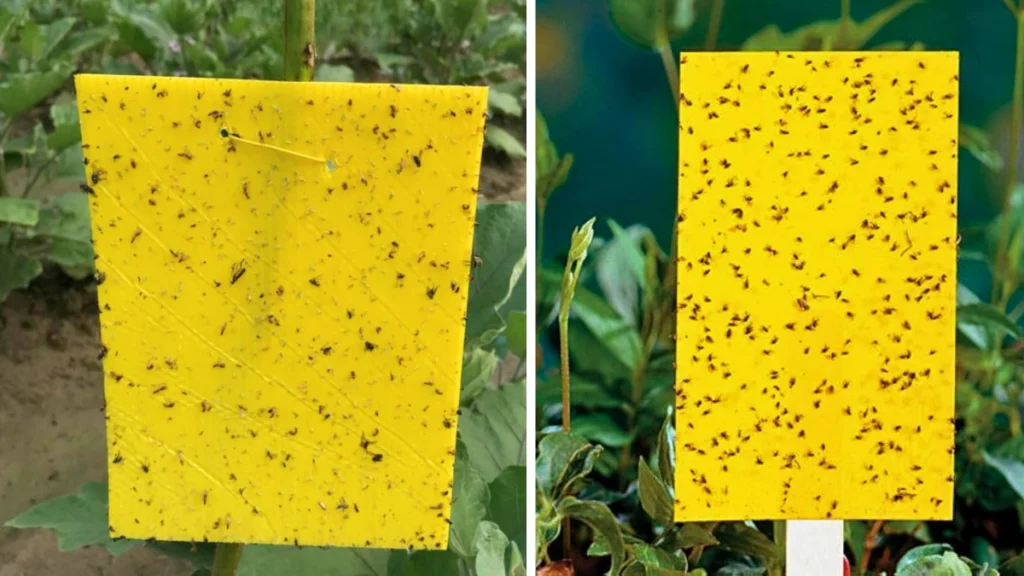
Even the hardiest jicama plants can face pests and diseases. Aphids, whiteflies, and root-knot nematodes are common culprits. Inspect plants regularly for signs of infestation like yellowing leaves, sticky residue, or unusual growth patterns. Organic solutions like neem oil, insecticidal soap, and companion planting keep pests under control without harming your harvest. Proper airflow from vine training and avoiding overly wet soil also prevents fungal issues. Healthy plants produce stronger roots and reduce losses from pests, ensuring consistent yields year after year.
Fertilize at Key Growth Stages
Fertilization plays a crucial role in producing big, crunchy jicama roots. Use a balanced, slow-release fertilizer at planting and again when vines begin to spread. High-potassium fertilizers support root development, while nitrogen promotes leafy growth. Organic options like compost tea or fish emulsion work well in containers and raised beds. Avoid overfertilizing, which can encourage excessive foliage at the expense of root size. Correct fertilization ensures your jicama roots reach their maximum potential, ready for harvest and culinary use.
Prune Strategically for Yield
Pruning is often overlooked but vital for container or raised bed jicama. Removing excessive lateral shoots directs energy toward root growth rather than vine expansion. Trim yellow or damaged leaves to improve airflow and reduce disease risks. Regular pruning also allows sunlight to penetrate all parts of the plant, keeping leaves vibrant and healthy. Strategic pruning boosts root size and improves overall plant health, ensuring your jicama crop reaches maximum weight and quality by the end of the growing season.
Harvest at Peak Flavor
Jicama roots reach maturity 5–9 months after planting. Harvesting too early results in small, starchy roots, while waiting too long can make them woody. Gently dig around the base to remove the root without damaging it. Leave smaller side roots in the soil for continued growth if possible. Mature roots are firm, crisp, and sweet. With proper soil, sunlight, water, and care, your container or raised bed can produce a ton of jicama, making your garden a local source of this nutritious vegetable.
Store and Enjoy Fresh Jicama
After harvesting, jicama stores well in cool, dry conditions. Keep roots in a pantry or refrigerator for up to three weeks. Wash before using and peel the skin for the crunchy, sweet flesh inside. Jicama is versatile: eat it raw in salads, slice it for snacks, or cook lightly to retain its crispness. Growing your own ensures fresh, chemical-free roots while giving you a sense of accomplishment. The effort you put into container or raised bed gardening pays off in flavor and health benefits.
Final Verdict on Container Success
Growing a ton of jicama in 2026 is achievable with careful planning, proper containers or raised beds, nutrient-rich soil, consistent care, and sunlight. With these tips, your jicama crop will be healthy, productive, and delicious. Container gardening makes it possible for urban gardeners to enjoy homegrown roots, while raised beds offer ample space for larger harvests. Focus on soil, water, sunlight, and pest management, and you’ll enjoy sweet, crunchy jicama straight from your garden all year long.