Grow Blueberries at Home: Blueberries are no longer just a supermarket luxury. More home gardeners are discovering that these nutrient-rich berries can be grown successfully in backyards, terraces, and even balconies. The biggest challenge most people face is not sunlight or watering, but soil conditions. Blueberry plants are highly selective, and their success depends heavily on one hidden factor that many overlook. Understanding this secret can completely change the way your plants grow, flower, and produce fruit year after year.
Acidic Soil Is The Game Changer
Blueberries are not like most garden plants. They thrive in acidic soil that closely resembles their natural forest environment. When the soil lacks acidity, the plant struggles silently at first and then begins showing signs of stress. Acidic soil allows blueberry roots to absorb nutrients efficiently, especially iron and nitrogen. Without this balance, even the healthiest-looking plant can fail to produce fruit. This single factor determines whether blueberries survive or truly flourish.
Understanding Blueberry Root Behavior
Blueberry plants have shallow, fine roots that are very sensitive to soil conditions. Unlike deeper-rooted plants, blueberries depend heavily on surface nutrients. These roots lack root hairs, which makes nutrient absorption more difficult in unsuitable soil. Acidic soil helps compensate for this limitation by keeping essential minerals readily available. This is why blueberries fail in normal garden soil even with regular watering and feeding. Root health always starts with the right soil chemistry.
The Perfect Soil pH Zone
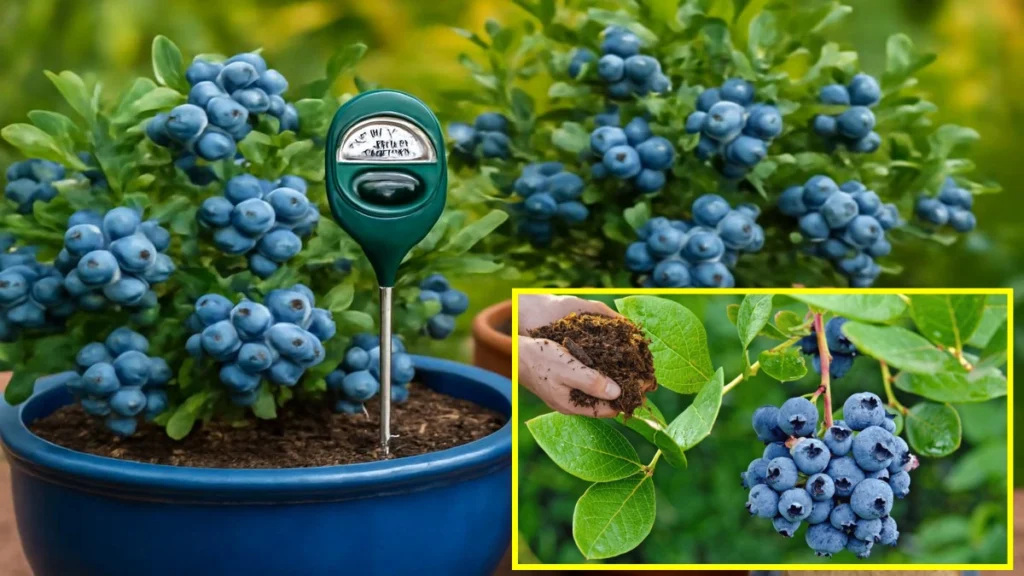
The ideal soil pH for blueberries ranges between 4.5 and 5.5. This level may sound extreme, but it is essential for healthy growth. Most garden soils fall closer to neutral, which is unsuitable for blueberries. Testing soil before planting is critical to avoid long-term problems. A proper pH range ensures steady growth, deep green leaves, strong flowering, and consistent fruit production. Skipping this step often leads to disappointment later.
Preparing Soil Before Planting
Soil preparation sets the foundation for success. Mixing peat moss, pine bark, and organic compost into the planting area helps lower pH naturally. These materials improve drainage while maintaining acidity. Avoid garden lime or wood ash, as they raise pH levels quickly. Preparing soil weeks before planting allows it to stabilize, creating a welcoming environment for young blueberry plants to establish roots without stress.
Fixing High pH Problems Slowly
Alkaline soil is common, but it can be corrected gradually. Elemental sulfur is one of the most effective solutions for lowering soil pH safely. It works slowly through natural soil bacteria, reducing the risk of root damage. Organic matter like pine needles and leaf compost also helps over time. Sudden changes in pH can shock plants, so patience is essential. Slow adjustments lead to long-term stability and healthier plants.
Container Growing Makes Life Easier
Containers offer full control over soil conditions, making them ideal for blueberry growing. Acidic potting mixes designed for acid-loving plants provide the right environment from the start. Containers also prevent surrounding soil from interfering with pH balance. Large pots with proper drainage are essential to prevent waterlogging. This method works well for urban gardeners and allows blueberries to thrive even where garden soil is unsuitable.
Choosing The Right Blueberry Variety
Not all blueberry varieties behave the same way. Some types tolerate slightly higher pH levels, while others demand strict acidity. Southern highbush and rabbiteye varieties adapt better to warmer climates and container growing. Northern highbush varieties require cooler conditions and consistent soil care. Selecting the right variety for your climate and growing method increases success and reduces maintenance issues over time.
Water Quality Can Affect Soil
Watering habits can slowly change soil chemistry. In many regions, tap water is alkaline and gradually raises soil pH. Over time, this can undo all your soil preparation efforts. Rainwater is ideal for blueberries because it is naturally soft and slightly acidic. Where rainwater collection is not possible, occasional soil monitoring helps catch pH changes early before plants show stress symptoms.
Fertilizing Without Harm
Blueberries require gentle feeding. Standard fertilizers often increase soil alkalinity, which works against the plant. Fertilizers formulated for acid-loving plants are the safest option. Organic choices like fish emulsion and cottonseed meal provide nutrients without disturbing pH balance. Feeding in small amounts throughout the growing season supports steady growth without overwhelming sensitive roots.
Mulching Does More Than Protection
Mulch plays a vital role in blueberry health. Pine bark, wood chips, and pine needles help maintain soil acidity while retaining moisture. A thick mulch layer protects shallow roots from temperature extremes and prevents weeds. As organic mulch breaks down, it enriches the soil naturally. This simple step reduces maintenance and keeps soil conditions stable throughout the year.
Sunlight Boosts Berry Production
Blueberries love sunlight, and proper exposure directly affects fruit quality. At least six hours of direct sunlight daily promotes better flowering and sweeter berries. Partial shade may reduce yields and delay ripening. Positioning plants where morning sun is strong helps dry leaves quickly, reducing disease risk. Sunlight combined with acidic soil creates the perfect environment for maximum production.
Airflow Prevents Common Diseases
Good airflow is often underestimated in blueberry care. Crowded plants trap moisture, encouraging fungal diseases. Proper spacing allows air to move freely around leaves and branches. Pruning older branches improves airflow and stimulates new growth. Healthy airflow keeps plants dry, strong, and productive while reducing the need for chemical treatments.
Seasonal Care Makes A Difference
Blueberries benefit from seasonal attention. Spring feeding supports new growth, while summer watering keeps fruit developing properly. Fall mulching protects roots during colder months. Winter pruning encourages stronger growth the following season. Consistent seasonal care keeps plants balanced and productive. Ignoring small maintenance steps often leads to reduced yields and weaker plants over time.
Watching For Stress Signals
Blueberries communicate problems clearly when you know what to watch for. Yellow leaves with green veins indicate iron deficiency caused by high pH. Poor flowering or small fruit often signals nutrient imbalance. Slow growth suggests root stress. Early detection allows quick correction before damage becomes permanent. Regular observation is one of the most valuable habits for successful blueberry growing.
Long Term Soil Management
Acidic soil maintenance is not a one-time task. Over time, natural processes and watering can shift pH levels. Regular soil testing keeps conditions in the optimal range. Adding organic matter annually helps maintain acidity naturally. Long-term care ensures plants remain productive for decades rather than declining after a few seasons.
Conclusion
Growing blueberries at home becomes rewarding once the acidic soil secret is understood and applied correctly. Soil pH influences every aspect of plant health, from root strength to fruit sweetness. By focusing on proper soil preparation, gentle feeding, consistent monitoring, and smart growing practices, blueberries can thrive in home gardens and containers alike. When soil conditions are right, blueberry plants reward growers with healthy growth and abundant harvests season after season.